My wife pulled up a picture of me from a year ago on her phone. At least, I think it was me. The face in the picture had the same thinning hair and the same gray beard, except it was wrapped around a much rounder face. I recognized the shirt that person was wearing because I had the same one hanging in my closet, but it fit much tighter on that person than it did on me.
Maybe it was the angle, or maybe the picture was altered—people can do all kinds of things with AI these days. Either way, I was suspicious of the image’s authenticity because I was blessed with a fast metabolism. I was the same weight for most of my youth and a consistent, slightly heavier weight for most of my adult life. It didn’t matter how much I worked out or what I ate.
“When you’re 25 it will change…”
“When you’re 40 it will change…”
But it didn’t change. Even if my routines or diet did, everything averaged out to keep me exactly where I was. As I said, I was blessed.
But then I remembered that, around the time that picture was taken, I had my first physical since the pandemic. As I stood on the scale, the number that appeared was much bigger than I had expected. The lab work that came back also showed markers that led my doctor to discuss medication to treat high blood sugar and cholesterol.
Maybe that was me in that picture, after all.
Do you remember the movie The Perfect Storm with George Clooney and Mark Wahlberg? It’s about these fishermen who get caught at sea when a trio of storms merge into, well, a perfect storm.
That’s what happened to me during the pandemic. The combination of the world shutting down and limited access to my regular physical activity, the stress and unhealthy eating choices that came with it, and the increased fear, anxiety, and depression from extreme isolation and watching my son deteriorate physically and emotionally combined into a storm that consumed me.
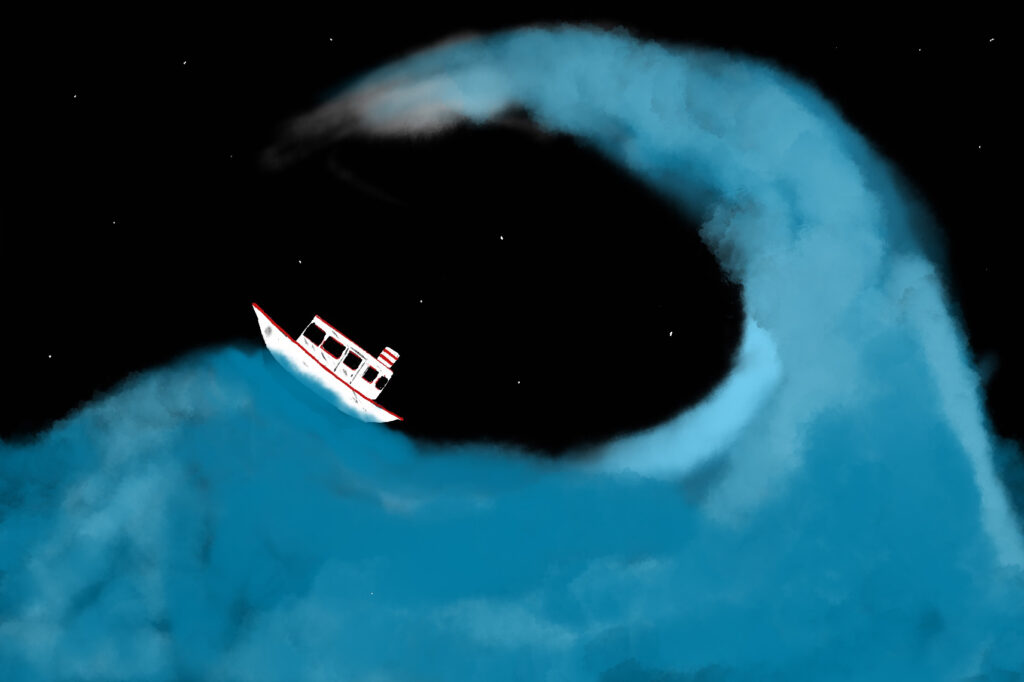
Even after we moved out of the city and the world began to open up, I couldn’t find my way out of it. Even after we found a school for our son and he began to improve, I couldn’t find the motivation to change. The storm had knocked out my engines, and I was drifting at sea.
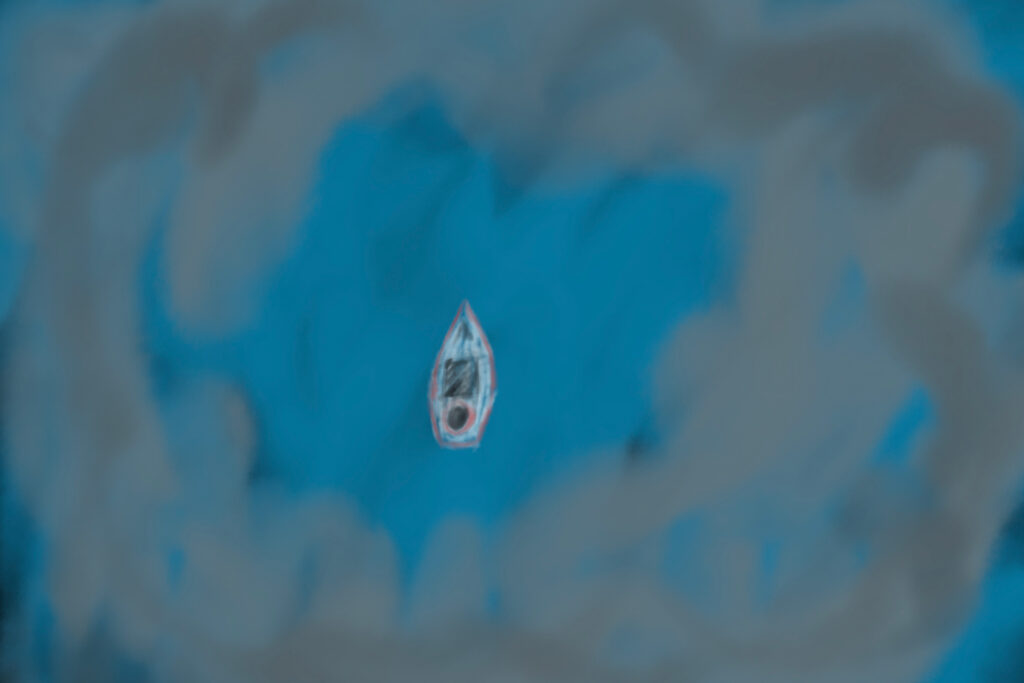
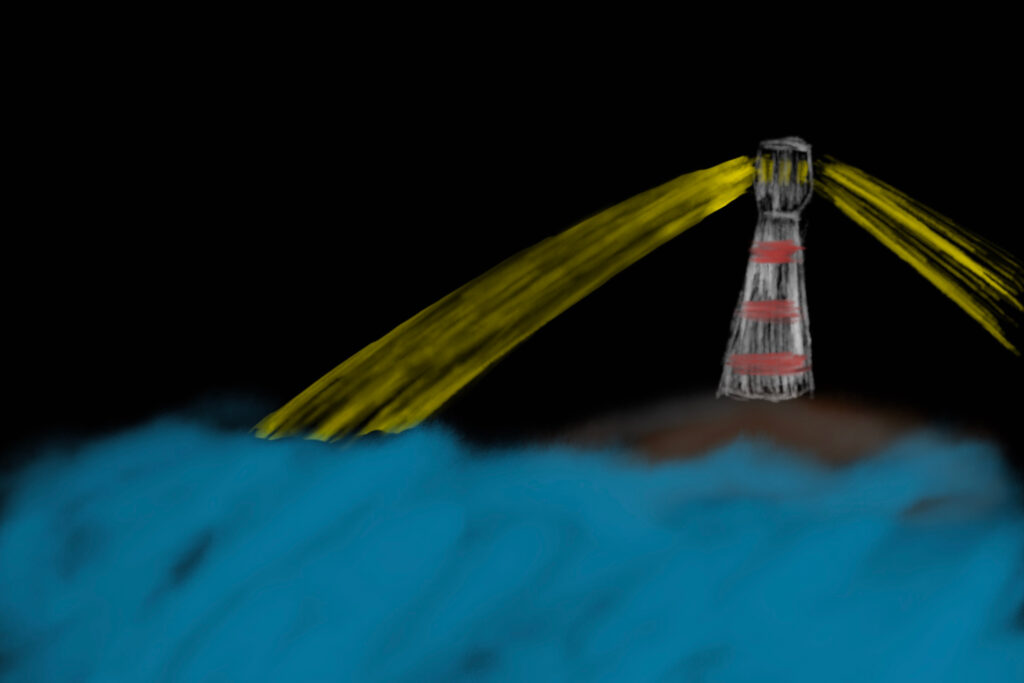
My physical exam results were like the light from a lighthouse far in the distance. I was drifting, and they warned me of the rocky shore ahead. I had to decide whether to continue to drift in that direction or try to fix my engine. Like the fisherman at sea, I thought about my family, who depended on me. I thought about the adventures we’ve had and the ones ahead of us.
I picked up a book by Peter Attia called Outlive that discussed longevity and living better longer—not just living longer but living the life you want in the future. I don’t want to be 80 and sedentary. I want to travel with my family and be able to put my luggage in the overhead compartment on a plane. I want to play basketball with my son, play tennis with my friends, and go on long walks with my wife and the dogs.
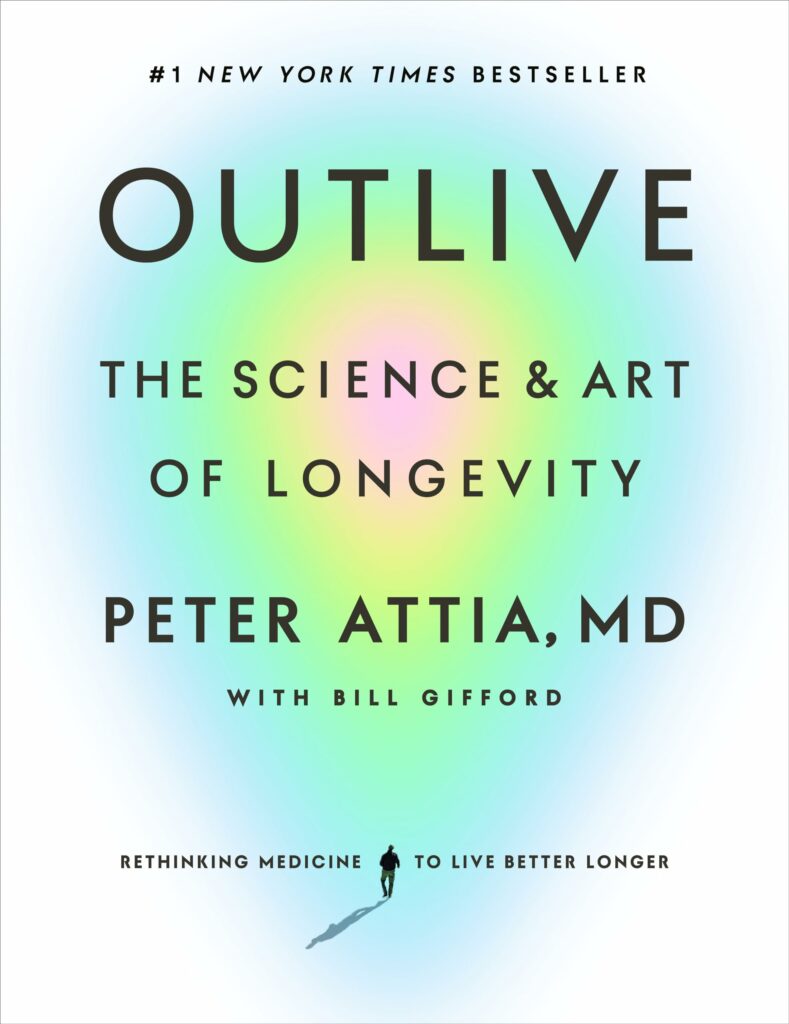
According to the book’s philosophy, I had to consider my future and work backward to the present to prepare for the life I wanted. That meant changing my ways that led to the person I saw in that picture and who stood on the scale in the doctor’s office. If I wanted to continue to be there for my son and family, I needed to fix my engine.
The timing of this post wasn’t intentional, but it is serendipitous. As we begin a new year, it’s a natural time to reflect on where we are and where we want to go. The world and our lives are stressful enough, and being parents of children with special needs adds another layer of complexity and challenge that often leads to exhaustion, feeling overwhelmed, and depression.
The decision to change—even in small ways—can set us on a better path. Whether it’s prioritizing your health, finding balance, or being more present for your loved ones, the first step is recognizing the need for change and believing it’s possible.
Here’s to a year of growth, resilience, and renewed purpose.