A Place Where Awareness Ends

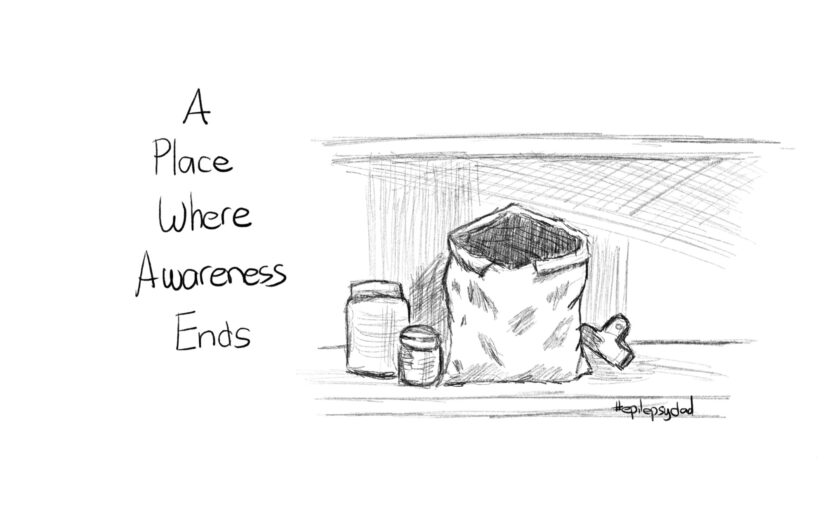
I was making lunch for my son and went into the pantry to grab the bag of cheese puffs. It was the big bag, the one we keep on the top shelf. He had some as a snack after school the day before.

The bag was wide open.

It was sitting exactly where it always sits, but unfolded, unsealed, left the way it was when he last touched it.

He knows to fold the bag over. We’ve talked about using a chip clip to keep it closed. I suspect he remembered that he needed one, looked for it, didn’t see it in the basket where they usually are—probably because something was in front of them—and stopped there. He’s not great at moving things out of the way to see if what he’s looking for is behind them. And instead of asking for help, he put the bag back on the shelf and walked away.

This happens a lot.

The cereal bag left open on the counter. A piece of recycling placed on top of the bin instead of inside it. A dish in the sink instead of the dishwasher. His lunchbox still holding an apple core or a wrapper from earlier that day.

It can feel like I’m following his tracks through the house, noticing the small places where things were almost finished. Little markers of effort that ran out just before the end.

I don’t get mad when I find the bag open again. I recognize it as a place where his awareness ended that day.

I offer gentle reminders. Sometimes they stick for a while. Sometimes they fade, and weeks later I find the cereal bag open again on the top shelf. Not because he doesn’t care. Not because he’s being careless. But because holding all the steps—seeing the problem, finding the tool, moving obstacles, finishing the task—can be more than his brain can manage in that moment.

This is what a lot of caregiving looks like.

Not emergencies. Not hospital rooms. Not big, dramatic moments. Just quiet maintenance. Picking up what was left behind. Closing the loops that didn’t quite get closed. Learning to read these small, unfinished things not as failures, but as information.

They tell me where his energy ran out. Where his attention drifted. Where the world became just a little too much to hold all at once.

So I fold the bag. I clip it shut. I rinse the lunchbox. I don’t sigh. I don’t lecture. I just keep walking behind him, filling in the gaps.

This is part of how I love him.
Executive (Dys)function

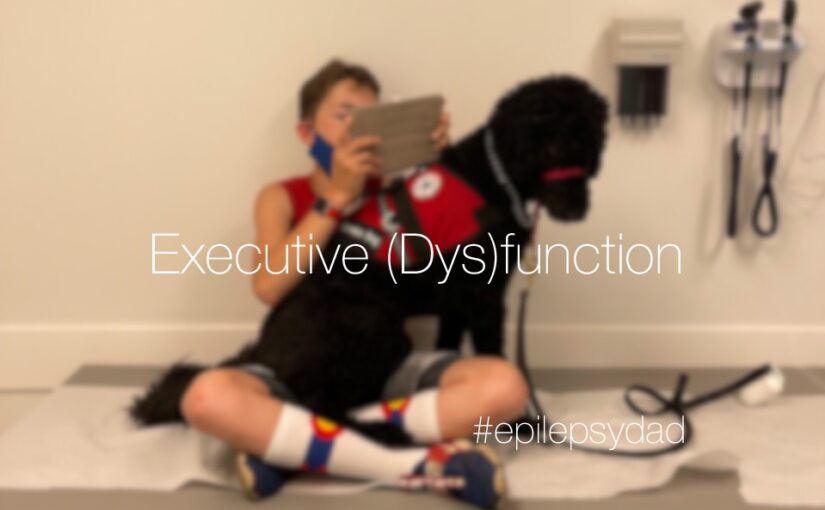
We’re probably those parents who have relied too much on technology while raising our son. Between the hospital stays, appointments, and sick days, we have spent a lot of time waiting. There have also been days where our son was too mentally or physically tired to do anything else, so we’d hand him one of our phones. Eventually, my wife and I also got bored sitting around with nothing to do. We also struggled with the reality and stresses of our complicated life and equally needed a way to escape, so we bought our son an iPad so we could disappear into our phones.

In the beginning, leaning on technology served a purpose. It was a portable distraction that helped pass the time. By the time our son had fewer appointments and more good days, the habit of reaching for a device was automatic.

The pandemic didn’t help. We played a lot of UNO and other board games, drawing, and finding ways to interact, but it felt like a lot of hours to fill, so we fell into our default of electronics.

I’d often look up from my phone and see both my son and my wife firmly fixated on their devices. We were alone, together.

As he got older, we would occasionally review his device usage to ensure he wasn’t doing anything inappropriate, but we didn’t use the parental controls or other settings to limit his access or screen time. Any time we would try, largely driven a realization that he was addicted to his devices, he would get sick or we’d find a reason why he needed his device, so we would remove the limits.

When our son started puberty, we began to notice our son being more secretive about his device usage. When we investigated, we found that he was looking at inappropriate sites. As we looked into it, between his ADHD and issues with executive functioning, we also saw that he was having a hard time regulating and controlling his impulses.

On more than one occasion, after we turned on parental controls, we would see a receipt for purchases he had made after disabling the “Ask to Purchase” feature. He would also bypass the content restrictions to download inappropriate apps and visit adult websites.

Each time it happened, we’d sit down with him and have a conversation about rules and consequences. But, in many ways, it was like trying to rationalize with an addict. Worse, his struggles with attention and processing and our flexibility on the enforcement of the controls only set him up to fail. A few weeks ago, I saw another receipt for $200 worth of purchases in my inbox, including charges for apps that he knew were off-limits.

This time, the conversation was different. We could see the struggle he was having to resist the urge to bypass the parental controls. It’s like when enough time passes and any previous consequences from the last incident has faded, his brain can’t make the right choice. The league of screen addiction, ADHD, and executive processing and decision making issues are simply too much to overcome.

There are a number of studies detailing the impact of electronics on children, specifically as it relates to executive functioning and decision making, including “Less screen time, and more physical activity associated with executive function“, “Mobile Technology Use and Its Association With Executive Functioning in Healthy Young Adults” and “Addictive use of digital devices in young children: Associations with delay discounting, self-control and academic performance.” Many of the studies are on healthy children without the additional complexities that our son has, which can only exacerbate the impact on his developing brain.

We tried to explain the situation to him in a way without shame by taking our responsibility for not providing more structure on his screen usage. We also let him know that these struggles are normal for children his age and that it’s our job as his parents to help him navigate this time in his life.

Executive functioning, impulse control, and decision making are like muscles. A muscle doesn’t grow bigger unless you make it work hard, and you make this muscle work hard by having consequences, both good and bad. Historically, our negative consequences haven’t been very heavy, and that muscle hasn’t been strained. This time, we swapped in a heavy weight by taking away his devices completely for a few days. It was interesting to watch his attitude and awareness during that time, as both seemed to improve.

When we gave him back his devices, we include time limits to help wean him off his dependence on them for entertainment and to pass time. Spending more time in the real world is where he can flex those muscles to help him continue to learn how to successfully live in the real world.

Our Story – National Epilepsy Awareness Month

Recently I attended a class where I needed to give a 4-minute talk. Inspired by National Epilepsy Awareness Month, I took the opportunity to share our story with my classmates.


A little over 6 years ago, my company offered me a new position that would move my family from Colorado to Philadelphia. I had been to Philadelphia for work many times, but my family’s first visit was shortly before our move. We flew there together and my wife and son explored the city and hunted for houses while I worked.

One night, after a long day of house hunting, we went to an arcade to play games and have dinner. My son had a fascination with Guitar Hero and spent a good chunk of the night shredding the plastic guitar to AC/DC.
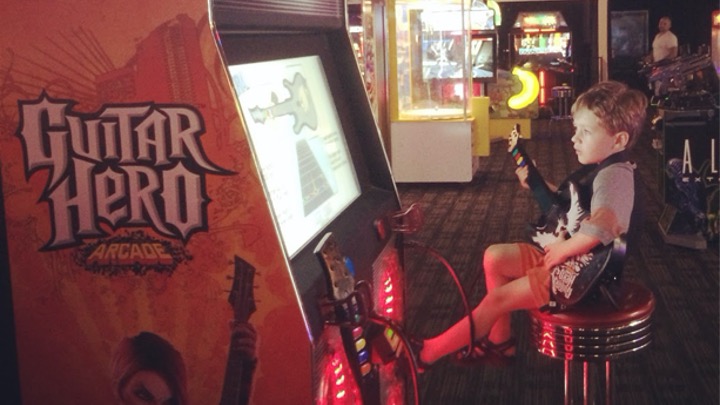
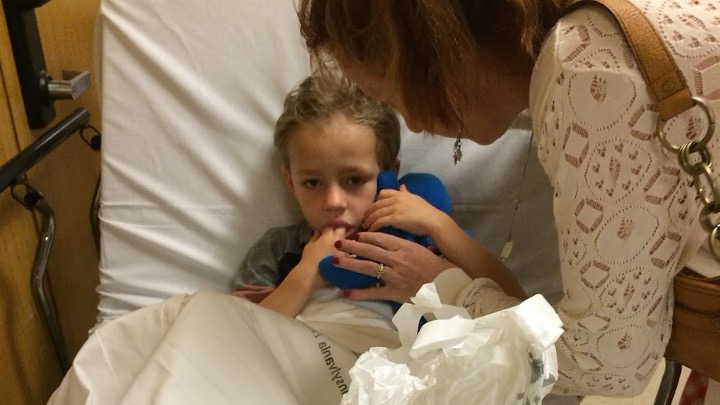
When we were done, we headed down to the exit to wait for a taxi. I remember there was a thunderstorm, and we stayed inside the lobby watching the rain and lightning. Before it arrived, my wife and I both noticed that something was happening with our son. He stopped responding, and his body had stiffened. At first, we thought he was joking but, when he wouldn’t come around, we knew something was wrong. I held my son as my wife called 911. Instead of a taxi, we left the arcade in an ambulance and headed to the hospital.

Finding yourself in a strange city, late at night in the hospital waiting for the doctor to tell you what happened to your toddler is an experience that I wouldn’t wish on anyone. The rooms were full so my son was on a bed in the hallway as we watched the chaotic energy of an urban hospital and the activity around us. Eventually, the doctor confirmed what the paramedics had told us what likely had happened, and that was that my son had a seizure. Because it was his first one and because he was slowly recovering, they sent us home.
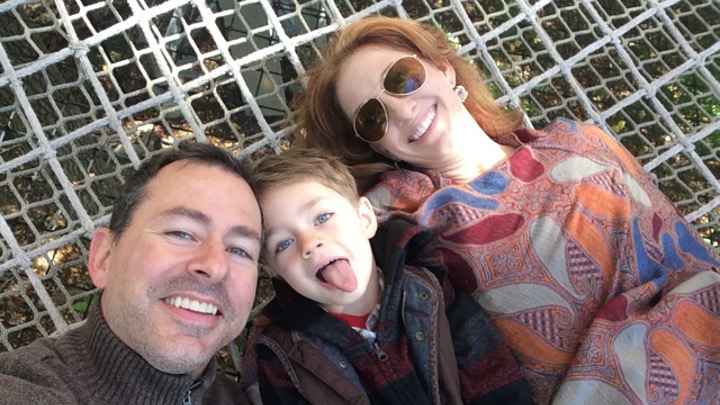
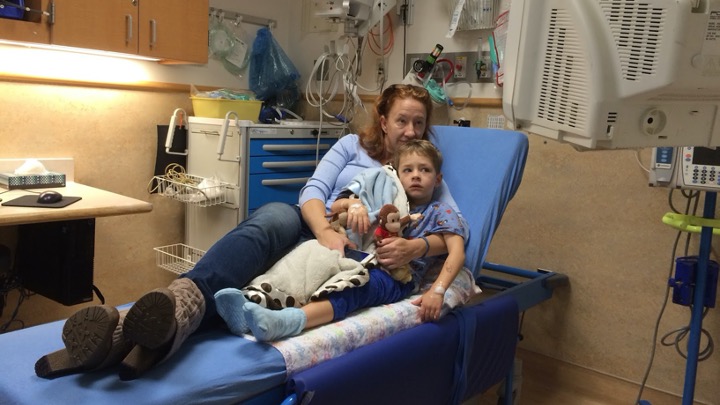
A few days later, we left Philadelphia to go back to Colorado. There were no other signs or lingering effects from his seizure, so life went back to normal. We packed up our house and headed east.

Once we moved, we spent time exploring our new home. Eventually, we stopped worrying about epilepsy and seizures. But epilepsy wasn’t done with us. A few months later, my wife and son were boarding a plane to visit friends in California when my son had his second seizure. Fortunately, the flight crew was able to get my family off the plane and they found themselves in another ambulance, this time headed to the children’s hospital.

The second seizure came with an official epilepsy diagnosis. At the time, I didn’t really know what epilepsy was other than what I had seen in the movies. Even though seizures and epilepsy are common, that is true for many people, so I want to share some information with you.
First, what is epilepsy? It’s a seizure disorder characterized by uncontrolled seizures.

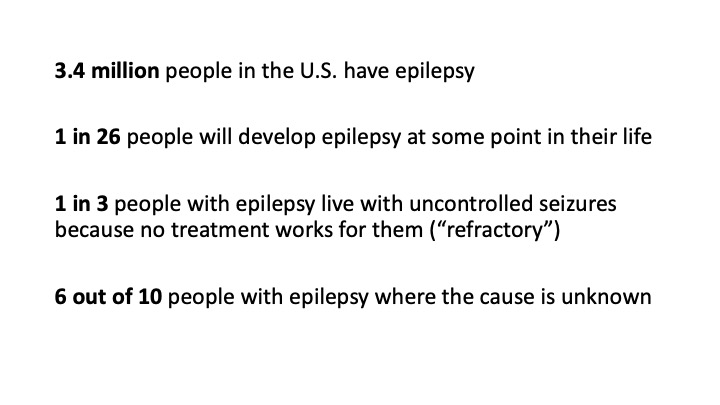
More than 3 million people in the United States have epilepsy. 1 in 26 people will develop epilepsy in their life. 1 in 3 people lives with seizures that aren’t controlled by treatment. Sometimes, there is an identifiable reason why someone has seizures, but 6 out of 10 people with epilepsy don’t know the cause.

Unfortunately for my son, the last two bullets apply to him. We have not been able to figure out what causes his seizures and, even though we’ve tried different medicine, put him on a special diet, and had a device called a VNS implanted, he still has seizures almost every day.

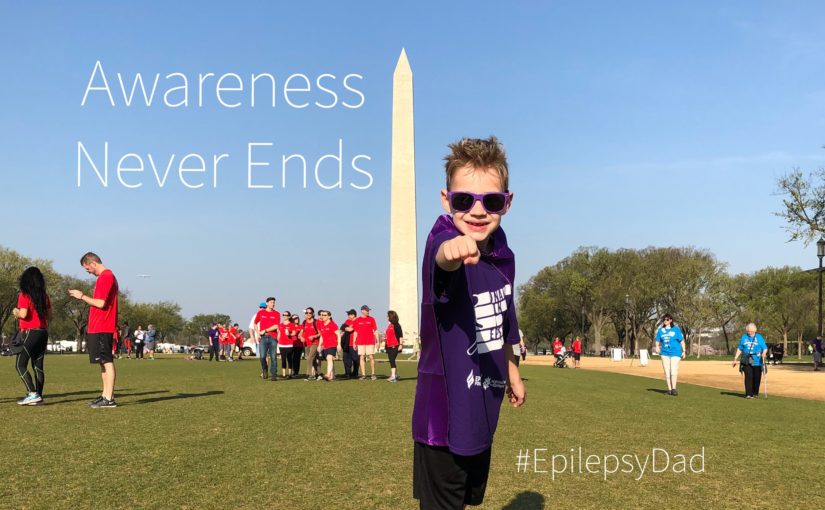
The reason I wanted to use my time today to talk about epilepsy, in addition to it being such an important part of my life and my family, is because November is also Epilepsy Awareness Month. If you didn’t know anything about epilepsy before today, I hope I gave you a glimpse at what it is. And if you didn’t know anyone before today who was affected by epilepsy, now you do.

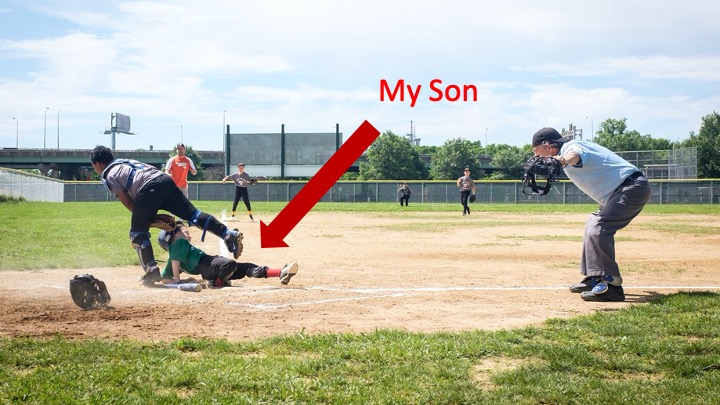
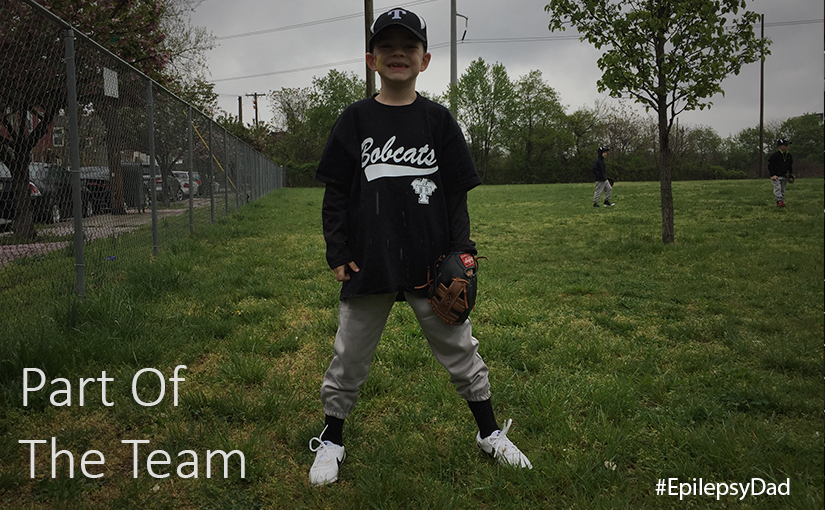
While epilepsy is a big part of our life, I wanted to end my talk on a positive note. While my son does still has seizures, he is also a very happy, energetic 11-year old. He loves hockey and baseball, and last year he was selected to the All Star team for his baseball league. This picture is one of my favorites, and that’s him sliding into home plate underneath the tag of the catcher. He scored and wound up receiving the game ball as the game MVP.

Thank you for listening to our story, and if you have any questions or want to learn more about epilepsy, please reach out!


Resources:

Epilepsy Foundation – National Epilepsy Awareness Month

Epilepsy Foundation and Epilepsy Foundation of Eastern Pennsylvania

Epilepsy Dad