There’s a term for the feeling that you’re not as good as people think you are. That you’ve fooled them somehow, and eventually they’ll figure it out. That your success is luck or accident rather than skill or effort. Impostor syndrome is real. It keeps genuinely talented people from putting their work into the world, from taking the seat, from raising their hand.
My son doesn’t have it.
He doesn’t have the opposite of confidence either, the kind that’s actually fragile underneath, that needs constant reassurance to hold its shape. He just knows. Quietly, completely, without apparent doubt.
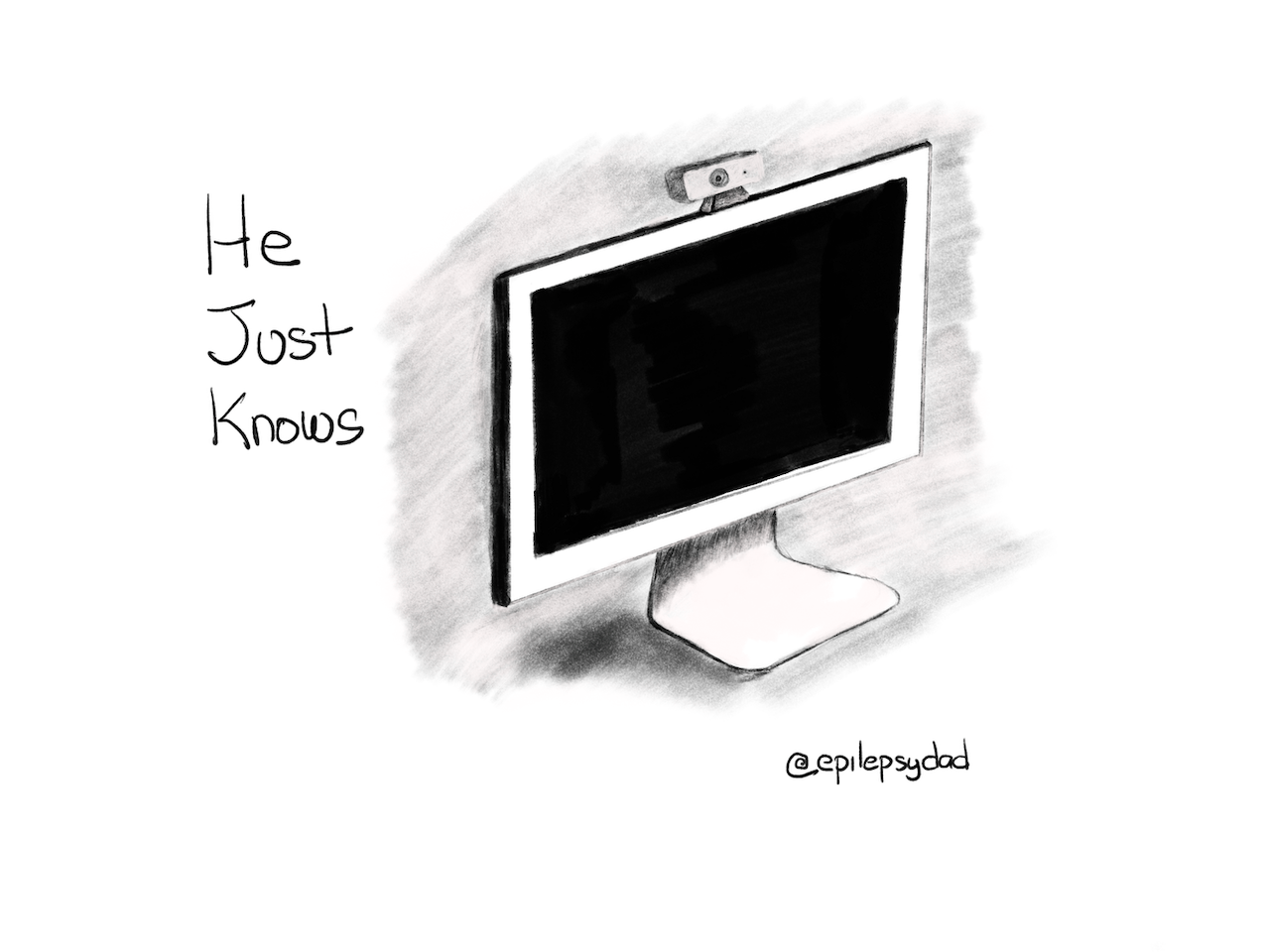
He decided he was going to be a streamer. He turned on the camera.
He decided he could pitch. The next thing I knew he was on the mound throwing pitches.
He made a song using AI. It’s on Spotify. He put it there because of course he did. It exists and it’s his and the world should hear it.
I feel his certainty before I feel anything else. It’s one of the things I love most about him. Not because he’s always right about what he can do, but because he doesn’t ask permission first. He doesn’t wait for someone to tell him he’s ready. He just goes.
And then, a beat later, the fear arrives.
Not fear that he’s wrong about himself. He’s not. The song is real. The pitches happened. The camera went on. What he makes and does and puts into the world is genuinely his, genuinely good, genuinely worth something.
The fear is about everyone else.
Confidence without self-awareness can walk into rooms it isn’t ready for. It can put things into the world before they’re finished. It can be met with cruelty by people who see the gap between the ambition and the execution and decide to say so loudly. Rebecca Black made a video and put it into the world with complete certainty and the internet was not kind about it. That’s a real thing that happens to real people and it can do real damage.
I think about that sometimes when I watch him turn on the camera.
But here’s what I keep coming back to. The alternative is worse. A version of him that second-guesses himself into silence, that waits for permission, that measures himself against what other people think before he decides what he’s worth. That version loses something that took no effort to have and would take enormous effort to get back.
So my job isn’t to temper it. It’s to build around it.
Carry the shield for him now. Teach him to carry it himself eventually. Not to hide behind it, but to have it when he needs it. To know that when the world pushes back, and it will, he has somewhere to land. That the opinions of people who don’t get him are just that. Opinions. And that the people who do get him, who celebrate him the way he celebrates them, are out there and worth finding.
He might read this someday. If he does, I want him to know that I see it. The certainty. The camera going on. The song on Spotify. The pitches.
Don’t stop.
The world will catch up.
Leave a Reply