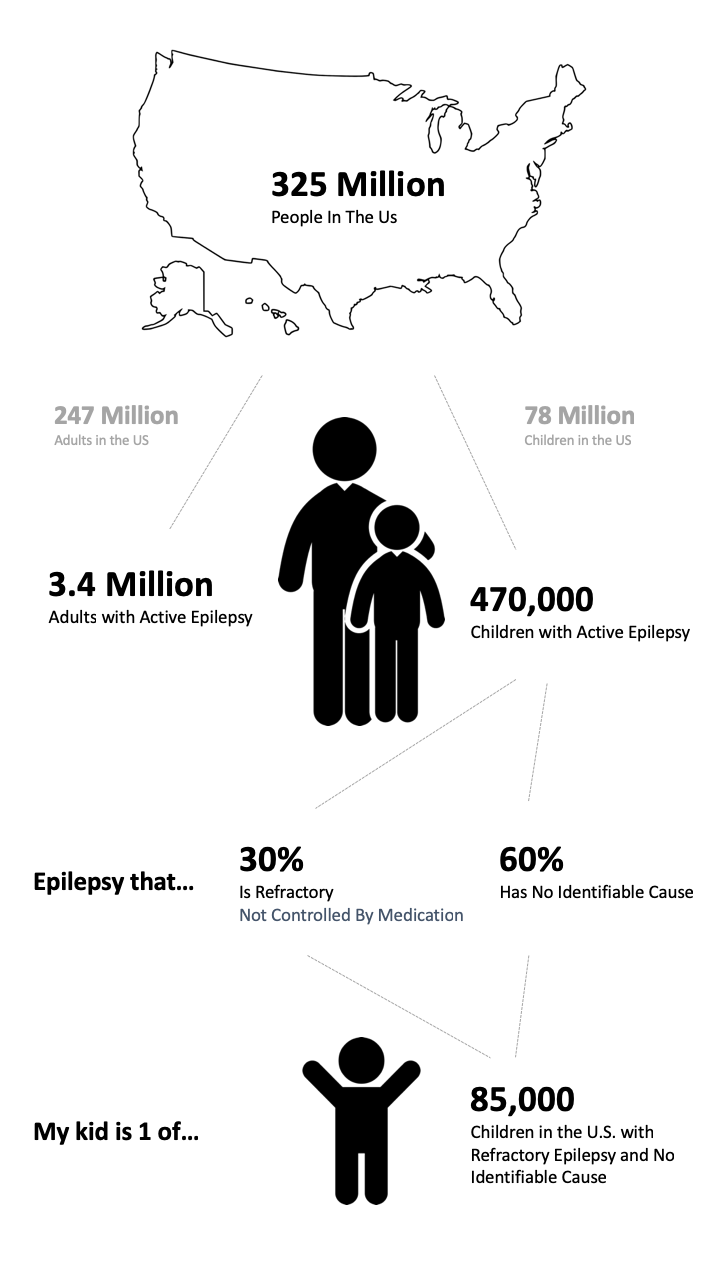
I don’t know how right the number is. But it makes me feel like we’re on a tiny island in the middle of a big ocean. But at the same time, it also makes me feel like we’re not on that island alone.
I don’t know how right the number is. But it makes me feel like we’re on a tiny island in the middle of a big ocean. But at the same time, it also makes me feel like we’re not on that island alone.
It’s already February.
It feels like we skipped January, which I wouldn’t have minded.
January sets the tone for the year. We treat it as a fresh start. We make resolutions to change things about ourselves that we want to improve. And then we endeavor to build up enough momentum to carry those changes through the year and through our lives.
If we’re still exercising in February, or eating better, or not drinking, then there is a better chance that we’ll be doing the same in March and in December. But, inevitably, by the second month of the year, the gym is starting to thin out. There is a pint or two of ice cream in the freezer and a box of wine on the counter.
I was hoping for a better January. My son had VNS surgery in December. While I knew it would take months or a year to see if it would work, January felt so much worse. We often counted the time between seizures in hours, not days. We were reminded every five minutes when the VNS went off and tickled my son’s throat and changed his voice that we were still at war with a relentless enemy that takes and takes from him, leaving him tired and insecure and behind.
January didn’t even give us that first, hopeful week. It strapped us to the couch, shoved a ladle full of ice cream into our mouth and poured the box of wine down our throat on the first day. “Just so you don’t get any ideas that this year is going to be different or better, ” January said, smoking a cigarette with its foot on my chest.
Seneca said, “every new beginning comes from some other beginning’s end.” I’m trying to find a new beginning in all of this. But to do that, I need to find an end, but there never seems to be one. We turn the page of the month, but it’s the same calendar with the same theme that has been hanging on the wall for the last five years.
The days of the month are color-coded to capture those when my son had a seizure. January is covered with the little yellow squares of activity. February isn’t starting out any better. It’s hard to look at the calendar and imagine that it is ever going to end or that we’re going to get that new beginning we’ve been hoping for.
But Seneca also said, “Begin at once to live, and count each separate day as a separate life.” Maybe I’m thinking too “big picture”. I’m trying to apply “before” and “after” to months and years instead of to each day. Each day when my son has a seizure ends and a new day begins without one. Each day has the potential to be the day that he doesn’t have a seizure. Each day has the potential to be the one when things begin to get better.
If it turns out to not be that day, I’ll try to remember that that day will end, too. And when it does, a new one will begin. I’ll try, but it won’t be easy. Because even though I’m trying to be grateful for each day and to see its potential, I’m still longing for the day when things finally get better for my son. Because even if it’s not possible, that’s the new beginning I still really want. But for that to happen, these relentless seizures and side effects need to end.

On the morning of New Years Eve, my wife and I got a head start on our healthy new year resolution and went for a run. We left our son sitting on the couch watching his iPad with my mother-in-law sleeping in the next room.
Over the past few months, my son (who is on the ketogenic diet for epilepsy) has been sneaking food, so we took the precaution of hiding any tempting holiday treats on top of the refrigerator. Before we left, I looked my son in the eye and told him that we would be right back and to stay on the couch. He nodded in agreement and nestled comfortably in to the corner with his blanked.
When we returned, he was still on the couch. When I asked him, he confirmed that he hadn’t moved but he wouldn’t look at me when he answered. I glanced in to the kitchen and noticed that the step stool that we have under the counter had been moved. On top of the fridge, I could see empty containers of leftover deserts.
I looked back at my son and his head was down. “It was me, ” he said softly.
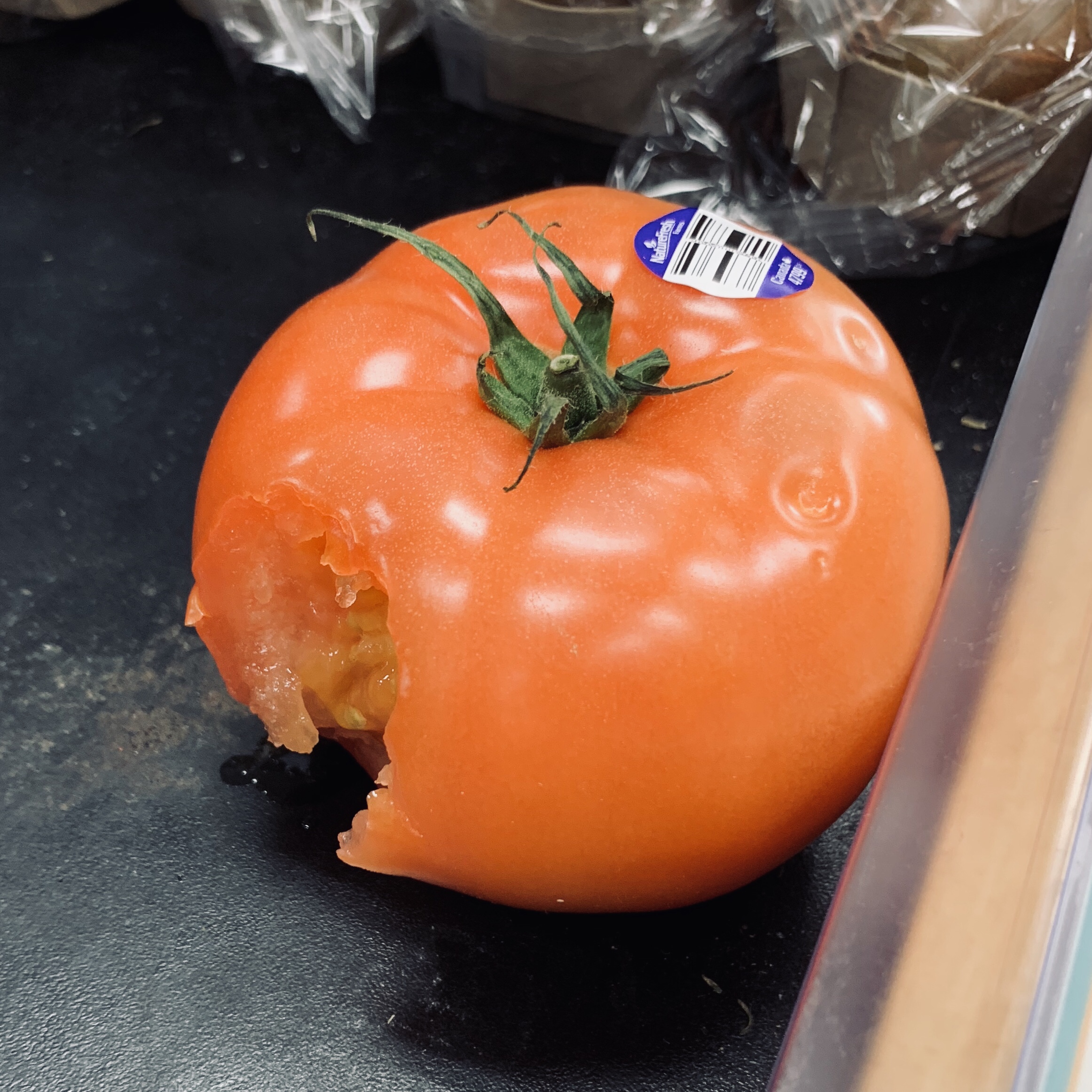
There has been a lot of this lately. He’ll sneak crackers from the pantry or leftover spaghetti from the fridge. A few weeks ago, he took a bite out of a tomato at a grocery store.
I am both heartbroken and frustrated. I’m heartbroken because of how restrictive the diet is for a 9-year old boy who sees the people around him eating whatever they want. As his father, I’m frustrated because his initial instinct is to lie and the foundation of our family is built on love and honesty. But I’m also frustrated because I know I have a hand in making the environment tempting for him by keeping unhealthy food in the house when the stakes are so high. Where a typical kid would just get an upset stomach from eating too many cookies, my son falls out of ketosis which could lead to an increase in seizures.
He’s been on the diet for more than 3 years. That’s a long time, and these recent incidents of sneaking food are starting to grind down my resolve. I’ve gone from thinking that the diet partly helped saved my son’s life to questioning whether it helped at all or if he still needs to be on it with his new medications and his VNS. I’m collecting evidence to support my theory but deep down I know it’s tainted with confirmation bias because I don’t want the diet to be working.
I want there to be an easy way out. It’s would be easier if there were a clear indicator that the diet was making a difference. It would be easier to stop the diet to remove the strain we are feeling instead of figuring out what other modifications we can do to make the diet more tolerable. But like so many things that come with an epilepsy diagnosis, it’s not that easy. It’s also not easy as a parent to feel like your child is missing out on something when his life is already so hard.
But there are things we can do to not make it harder. We can make better dietary choices ourselves and not have the tempting food in the house. We can make a big deal out of eating better and stressing the importance of diet for our health, the same way his diet is important to his health. We can be his parents, and take on some of the burden ourselves to alleviate some of his. Because if we can’t make it all go away, we should at least show that we are in it together.
Every day, I wake up, head to the computer, and write about my life as the father of an amazing child who has epilepsy. I’ve been doing it for more than three years. But I don’t feel like I have any more answers now than I did when I started.
When I write, it’s from the perspective of a father trying to work out his thoughts and emotions on the page. I am not an expert. Wisdom comes from hindsight but we’re still in the thick of it. And every day I realize more and more of how much I don’t know.
I don’t know how to minimize his pharmaceutical side effects. I don’t know how long he’ll be on the ketogenic diet. I don’t know whether there is something out there we haven’t tried. I don’t know what new medicine or technology is on the horizon that will help. I don’t know how to prepare him for the world with epilepsy. I don’t know what to do to get my son to stop seizing. I don’t know if he ever will.
An expert would have answers. An expert would know what to do. An expert would speak from the perspective of someone who has been through it. They know how the story ends or how the tension resolves. I don’t have any of those things.
But here is what I do know. I know that I love my son more than anything. I know my wife and I are doing everything we can to keep him whole and to give him the best life that we can. I know that I need to be the best man and father for him. I know we need to take each moment as it comes and make the best choice we can with the information that we have. I know we have this moment right now, and I know that nothing else is guaranteed.
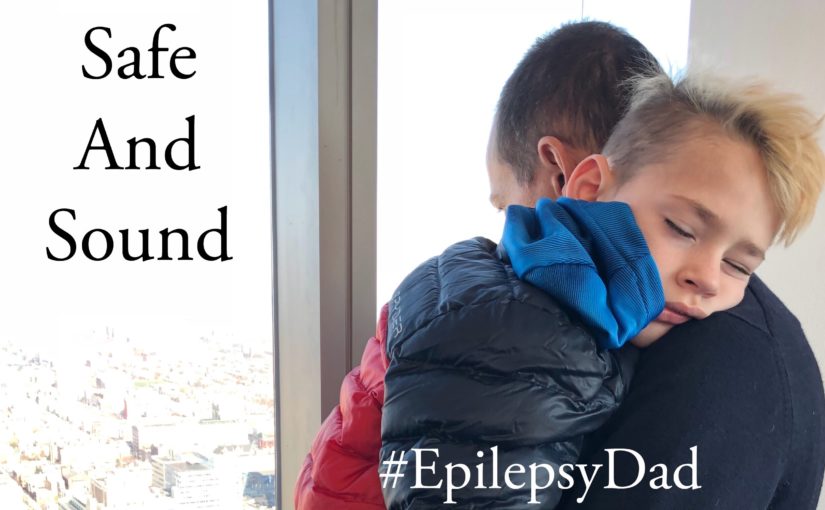
It was another rough night. My son had a seizure shortly after going to bed and at least three the next morning. Fortunately, he was sleeping in our bed. It’s easier to catch the seizures and take care of him when he is with us.
Lately, he started doing this thing where, after he has a seizure, he’ll sit up and try to climb out of bed. He’s not awake, it’s more of an electrical impulse that triggers the circuits in his brain that signal him to move. We comfort him during the seizure and then perform early morning Aikido and redirect his impulse to move in the direction of his pillow. Within a few seconds, he is back asleep.
I went through the process for two of his seizures that morning. Comfort, Aikido, sleep. After the last one, I laid in bed with my eyes open and stared at the ceiling. My mind drifted to the question that I still can’t face.
What would happen if we weren’t there? Who would be there to comfort him? Who would be there to keep him safe?
The idea of him doing this alone seems impossible. The idea of him never being able to be on his own is heartbreaking. The thought that I will someday not be here to take care of him, to keep him safe, and to comfort him is what keeps me awake.
The early morning mind is cruel. It is also calculating. It takes advantage of my incoherence to pose unanswerable questions when my defenses are down. It plants unanswerable questions and then sits back to watch the show.
The two solutions I usually come up with are curing epilepsy or becoming immortal. One is just as likely as the next but neither is likely be to solved in my lifetime. And so I am left with the fear of the future. Not for my sake, but for his. Because I was supposed to be the one that took care of him, that showed him how to be a good man and sent him into the world to make his own way.
But I don’t know how to do that when I watch his body seize over and over. The more seizures he has, the more impossible it seems that he’ll be able to make his own way. I’m fighting back the inevitable reality that no matter what I do, I may fail.
I hope I’m wrong.
But even if I’m not, I’ll never stop fighting.