Category: epilepsy

  • A Really Big Week

    A Really Big Week

    Over the summer, two huge things happened during the same week.

    Professionally, I delivered a keynote speech at a conference. I’ve given many presentations before, and public speaking is something I want to do more. But this was much bigger than any talk that I had given previously.

    I started to prepare for my talk weeks in advance, but, at the same time, another important event was looming on the horizon. The same week as the conference, we would be dropping our son off at sleepover camp for the first time.

    Our son has rarely spent a night without either my wife or me there. And, when I say rarely, I mean once. No sleepovers with friends. No nights with the grandparents. One night in his entire life he spent with our nanny so my wife and I could go on an extended date night in the city and stay in a hotel, three blocks from our home. And now, we were going to send him away for a week.

    Our local Epilepsy Foundation affiliate runs a program called Camp Achieve that is tailored to the needs of kids with epilepsy. It’s a week-long summer camp where the kids do proper summer camp activities. They swim and play tennis and have water balloon fights. They’re surrounded by other kids that are like them. Many of the counselors are former campers, and they are rounded out with volunteer doctors and nurses and other medical professionals. We knew and trusted so many of the volunteers because they were our nurses and friends we met through the Epilepsy Foundation.

    Even so, the idea of leaving him for a week tore at my soul. I was worried about him, not just medically, but emotionally. I wondered how he would do away from us. I was worried about my wife. I was trying to be strong but leaving him was one of the hardest things I’ve ever done…right up there with giving a keynote speech.

    When I was still weeks away from the overlapping events, working on my speech provided a distraction. But as we got closer to camp week, I was having difficulty focusing. I didn’t work on my speech as much as I wanted to. I also wasn’t dealing with the impending separation from my son. Before I knew it, it was time to drop him off.

    In life, there are easy days, and there are hard days. The day we dropped our son off to camp was a tough day. I was so focused on the process of checking him in that I was unprepared for when it was done, and we were shown to our car. The rest of drop-off day was a waste, as was the next day as my wife and I checked Facebook every two seconds to see if the camp had posted any pictures of our son.

    But the conference was still happening, and it was only a few days away. I needed to focus and, thankfully, my wife helped, and her performance background proved instrumental. We spent the next few days shifting our attention away from Facebook (it helped that we started seeing pictures) and towards my talk. But each of those days was an exhausting marathon trying to keep my attention where it needed to be. Every night, I felt like I had given everything and crashed hard, only to repeat it the next day. Eventually, there were no more days.

    The day of the conference was the day before we would pick up our son. It felt like I just needed to get through this one, really big, last thing. Even though that morning, I couldn’t remember any of what I was going to talk about, I somehow managed to calm my nerves enough to deliver what I was told was a solid talk. The euphoria after the conference was a mix of relief and excitement. My wife and I celebrated making it through the week with an intense ping pong competition, then went to bed knowing we’d see our boy in the morning.

    We made it.

    Pickup day was an orchestrated event, so even though we saw him outside his cabin, we resisted the urge to run over to him and hold him. But my heart felt so full when he signed “I love you” to us with a tired smile. When the ceremony was over, I held him so tight, and it felt like the perfect reward for making it through the week.

    My son had a great time and wants to go back. Next year, though, I won’t sign up for anything the week of the camp. Maybe my wife and I can even go away together.

    Just not too far away.

  • Traveling On The Ketogenic Diet

    Traveling On The Ketogenic Diet

    We love to travel, so when we started on the ketogenic diet four years ago, I worried that the diet would close off the world to us. We could still go to Colorado and Florida because we had friends and family there with kitchens. There were also stores where we could buy ingredients for his meals and pharmacies if we ran out of medication. But what about the places where we would be on our own?

    Our first big trip was almost two weeks in Hawaii. I wasn’t sure how easy it would be to find specific ingredients we would need to make food. I also didn’t know if we could find a room with a kitchen, so we prepared as much food as we could to take it with us. It was our first time traveling with a cooler, so I read through the TSA rules to see where they stood on traveling with ice. I researched coolers to find one that would fit enough food but wouldn’t be too big to carry on the airplane. The week before, we made enough food so that we had meals available for the entire trip. The cooler was heavy, but it allowed us to enjoy our trip without worrying about staying in ketosis.

    This year, we went to Panama. At least in Hawaii, there was an ABC Store on every corner. In the remote places we were going to in Panama, that would not be the case. It was also not likely that the closest store would have the specific ingredients we needed. There would also not be a pharmacy to stroll into if we needed a prescription. Again, I hit the internet to read about bringing medication and food internationally. There were no specific restrictions about bringing my son’s food into the country, so we again prepared enough meals to cover the trip plus a few extra days. Even though we were staying in homes with kitchens, making the food ahead of time removed many variables. We also upgraded our cooler to a backpack to make it easier to carry on those long travel days.

    Now, traveling on the ketogenic diet feels routine. We prepare the food ahead of time. We know the routine to pack and get through security. And we no longer worry about the world being closed off to us. If we can make keto work in the mountains of Panama, we can pretty much make it work anyway.

    If you’re looking to travel on keto, here are a few tips:

    1. Find complete meals you can prepare ahead of time. Ideally, it’s also food that can be frozen, like ice cream, pizza, and pancakes (syrup went in checked baggage). Some restaurants will heat food for you, some won’t. Keep that in mind when you plan the meals.
    2. Make sure everything is frozen. Freeze all of the food for the journey and use the blue ice packs to keep everything cool. Make sure the ice packs are frozen, though, because TSA won’t allow them through if they aren’t.
    3. Keep a letter from your doctor handy. If a situation arises where you may need to explain the diet, a letter from your doctor can come in handy.
    4. Don’t forget utensils. Not every segment of your journey will have access to forks and spoons, so bring some with you. Plastic, disposable utensils are best because washing silverware while traveling is not always possible.
    5. Get to the airport early, just in case. We generally get pulled out of line by TSA when they scan the cooler, so having the extra time creates a more stress-free experience.

    My final piece of advice is don’t be afraid to travel. It is a big, amazing world out there with so much to see. The ketogenic diet doesn’t need to prevent you from experiencing it.

    If you have any questions about traveling on the ketogenic diet, feel free to leave a comment or send me a note.

  • The Lucky Ones

    The Lucky Ones

    It’s been five years since my son’s first seizure. He still seizes on most days. The side effects of the seizures and the medications take their toll on his brain and his body. He can’t do all the things he wants to do, and he sometimes struggles with the things that he can do.

    It’s been hard.

    But other people have it worse.

    Are we the lucky ones?

    Taking handfuls of pills every day to keep seizures under control isn’t lucky, but we have access to healthcare and can afford his medication.

    Falling behind at school isn’t lucky, but he goes to school.

    Having behavioral issues isn’t lucky, but they are rarer than they were.

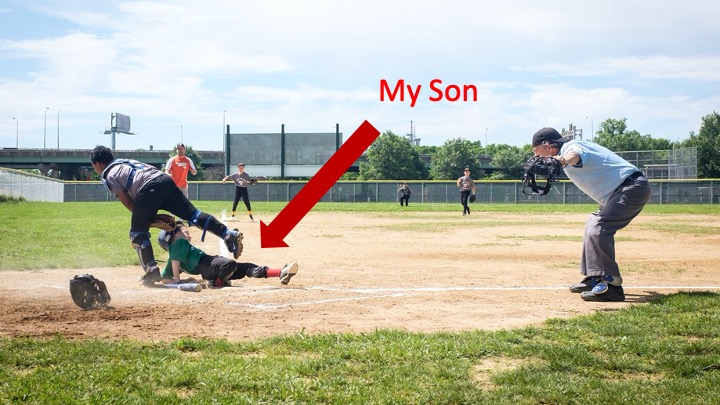
    Managing mental and physical fatigue every day isn’t lucky, but he can walk and talk and play baseball.

    Having seizures every day isn’t lucky, but my son is still here.

    There is always someone somewhere that has it worse.  That’s the trap of comparing one’s situation to another. But minimizing our anger and frustration and pain doesn’t make them go away. It doesn’t make my son’s seizures go away, either. It just takes me away from my feelings and makes me feel guilty for having them.

    We’re not lucky because his situation is better than someone else’s. There is nothing lucky about epilepsy and what my son is going through.

    But I do feel lucky.

    I feel lucky because he’s my son.

  • What It Means To Be An Epilepsy Dad

    This post is part of the Epilepsy Blog Relay™. Follow along all month!

    Father’s Day was last Sunday.

    I woke up early, like I do on most Sundays, and went for a run. When I returned, I was greeted to my favorite sound in the world when my son said “Hi, Daddy. Happy Father’s Day!” as he handed me a card that he made himself and a big hug.

    Being a father is the most amazing experience of my life. It’s also the hardest, most fun, most frustrating, most rewarding, and scariest experiences of my life. I feel the pressure to give my son a very different childhood than I had and, most days, I feel ill-equipped to do so, but I am trying.

    Adding to the challenge of just being a good father is being the father to a child with special needs. Even if there were a manual called How To Be a Good Dad, it’s the equivalent to trying to read that book in the dark. Every intention, every plan, every expectation went out the window and I had to start again looking through a very different lens.

    This July, it will have been five years since my son’s first seizure. It will have been five years since I started looking at the world through that different lens. And it will have been five years of living a very different life than I thought I would.

    I’m not just a father. I’m an epilepsy dad.

    When I became an epilepsy dad, I started this blog so that I could share my experiences navigating this new world. Five years in, here are a few of the things I’ve learned:

    I may never know why this happened. I’m an engineer, a problem solver. I’m used to finding the reason why something is broken so that I can fix it. After countless scans and genetic testing, there is no identifiable reason why my son has seizures. But not knowing why and living in denial doesn’t change the fact that he has epilepsy.

    It doesn’t matter why this happened. There is nothing that I could have done differently. Even if there was, there is no way to go back and change it. Looking backward and wondering why takes me away from the present, from my son, and from our future.

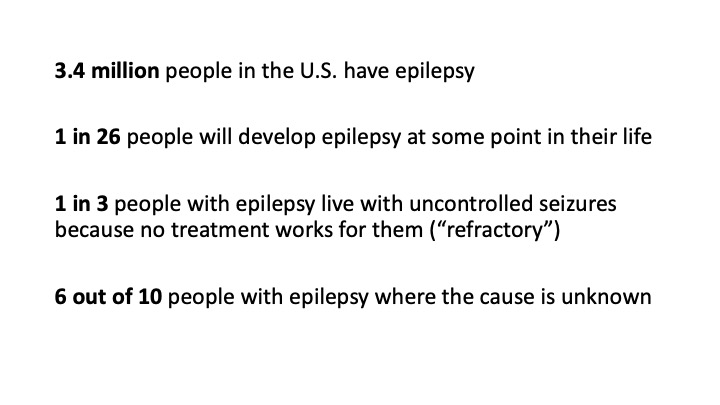
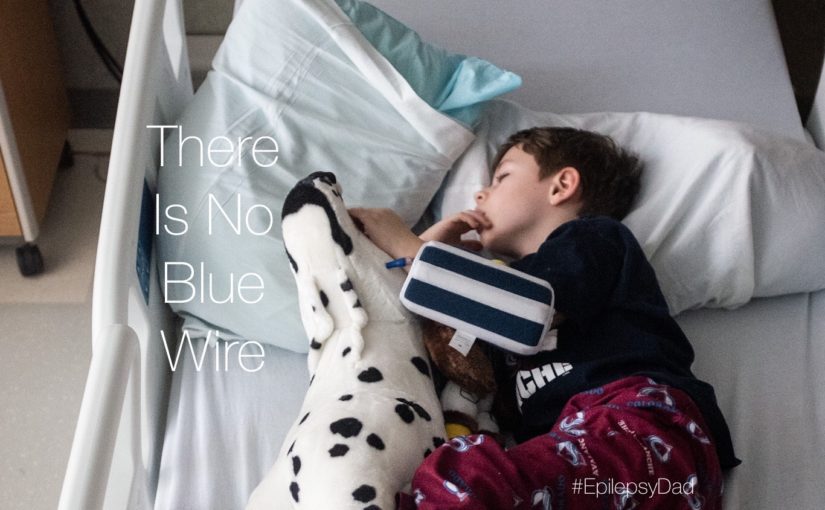
    It may never go away. My son has refractory epilepsy, which means that even though we’ve tried a lot of different medications, he still has seizures. He is on the ketogenic diet and he has a VNS and he still has seizures. It is the most helpless feeling to know that there is nothing that I can do to fix this for him and that his seizures may never go away.

    Plans change. I think as parents we all have grand plans for our children when they are born. But as our kids get older and discover what they want, those plans change. This is no different, even though I want to be mad at epilepsy and blame it for the changes. My son was always going to find his own path and, in some way, epilepsy will influence his course. But that is not a reason to give up on the future. It’s a reason to accept that plans change to support him on his journey of discovery, which is what a good parent should do, anyway.

    There is a lot to be grateful for. Five years ago, we almost lost our son when the doctors couldn’t get his seizures under control. The pressure and fear and anger that I have felt in the last five years placed a strain on my relationships and on my marriage. But today, my son plays baseball and makes me the most amazing cards on Father’s Day. My wife and I are closer now than we have been in a long time. The situation hasn’t changed, but we have and I am grateful every day that we are together.

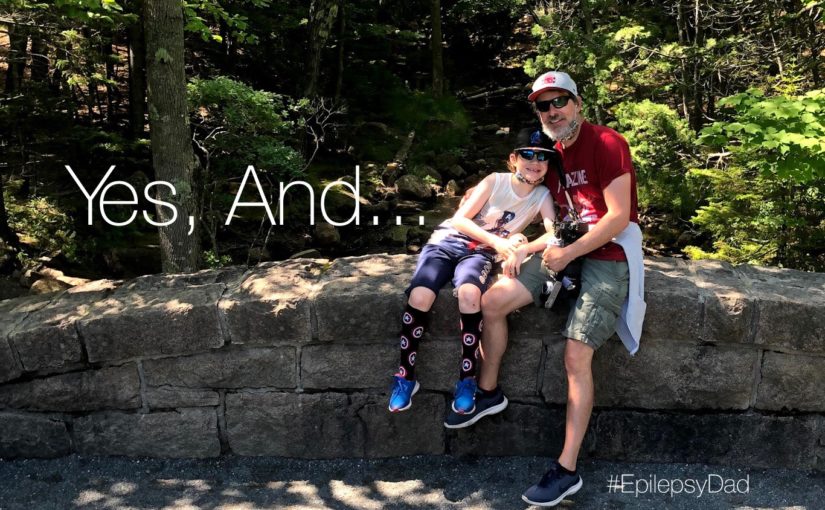
    You can’t be an epilepsy dad without being a dad. At the end of the day, I’m still his dad. We still have fun, and laugh, and joke, and have pillow fights right before trying to take a nap. I still need to teach him good values and show him how to be a good person. It’s easy to get wrapped up in the worry and the diagnosis and the future but that shouldn’t take away from being a dad first. Because, especially with all the complexity that life has thrown at us, that is what he needs from me the most.

    NEXT UP: Be sure to check out the next post by Lisa Hairston at livingwellwithepilepsy.com for more on epilepsy awareness. You can check out any of the Epilepsy Blog Relay posts you may have missed.

  • My Captain America

    My Captain America

    The first time my son saw Captain America, he was three years old. Captain America visited his school, and I heard all about it when I got home from work. We were already a Marvel family because I grew up on Spider-Man comics, but from that day on, my son wanted to be Captain America.

    His fourth birthday was his first with a superhero theme. He was, of course, Captain America. After his birthday, he wore his costume all the time. He battled evil and saved the day because he was Captain America.

    epilepsy dad avengers superhero keto captain america

    Within a year, my son would be fighting his own battle. It wasn’t a battle against Hydra or Thanos. Instead, it was a far more relentless, cruel enemy. Epilepsy did to my hero what no other villain could do. It nearly won.

    epilepsy dad avengers superhero keto captain america

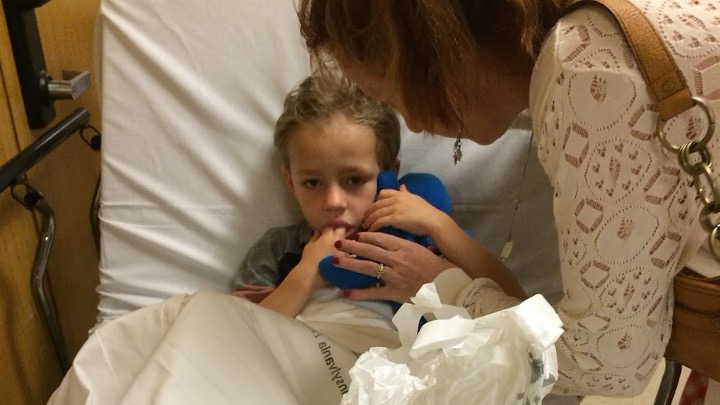
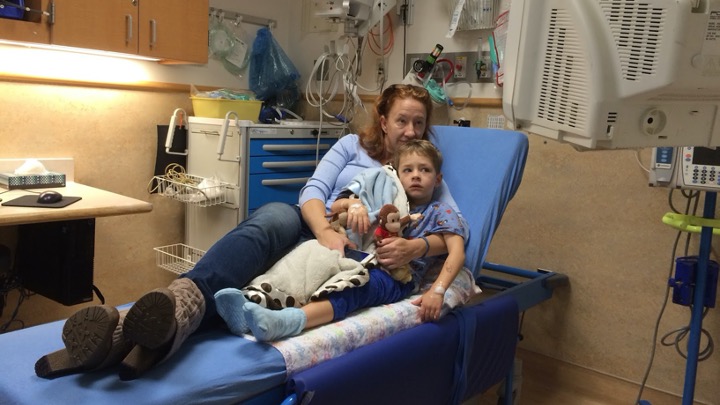
    The battle was hard. The seizures wouldn’t stop. The medicine he was given flooded his blood with poison rather than give him superpowers. He couldn’t move or talk for days. But he didn’t give up. He fought just like his hero would, and he recovered. He walked out of that hospital and was riding his bike within a few months.

    epilepsy dad avengers superhero keto captain america

    That was four years ago — four years filled with seizures, and struggle, and limitations. My son is still not seizure free. In spite of all the medication, therapy, and the ketogenic diet, his enemy lingers on and makes its presence known every day.

    But my Captain America never gives up. Those four years were also filled with progress, and victories, and inspiration. They were filled with a universe of heroes.

    As this chapter of the Marvel Cinematic Universe ends with Avengers: Endgame, I looked back at the last few years and saw how much of an impact the movies and the heroes in them have impacted our lives. Even though my son was wearing the costume before he saw his first Avengers movie, seeing his hero on the screen made him feel like he was up there saving the day.

    Especially when life for my son got hard, he had these heroes to look up to and to inspire him. And so he would put on his costume when he needed to be brave. And he would grab his shield when the only thing he could do was fight.

    Even to this day, if you find yourself walking around Philadelphia and you happen to see Captain America, there is a good chance that it is my son. My Avenger. My hero.

    epilepsy dad avengers superhero keto