Tag: medicine

  • Epilepsy Awareness In The School – The 504 Plan

    Epilepsy Awareness In The School – The 504 Plan

    This week, my wife and I are meeting with my son’s school to update his 504 plan. A 504 plan is intended to ensure that a child with a disability has access to learning and receives accommodations to help them succeed academically. In my son’s case, his plan outlines breaks, seating placement, a shortened school day, and special assistance for attention and behavioral issues. The plan is put together collectively by the parents, nurse, teacher, and school district with input from my son’s medical team and support services and it is meant to be a “living document” that will change as my son’s condition or capabilities change.

    This is our first year with a 504 plan. Even though we’re only a few months into the school year, we are pulling the team together to make adjustments. Some changes are good, such as lengthening his day since his endurance has improved. We also have a better sense of how he handles the day, so instead of basing his breaks strictly on a time, we can place them after harder tasks so that he can spend more time in the classroom with his peers. But we also need to address some issues that many parents of children with epilepsy face when trying to get the right services for their child.

    Looks Can Be Deceiving

    Most of the time, if you look at my son, he looks like a normal, healthy kid. I am extremely grateful for that, but it makes requesting services for him difficult because he doesn’t look “look sick”. Epilepsy is included in the class of conditions called “invisible disabilities”. While a seizure itself might be external, many of the effects surrounding epilepsy are internal. Fatigue, depression, and problems with attention and cognition are just some of the issues that my son deals with every day. On the outside, he might look like a normal 7-year-old boy and it’s easy to want to treat him that way. Too many times my son doesn’t get a break that he needs because he “looks fine” but, by the end of the day, he’s so physically exhausted that, not only is he not actually learning anything, he has more seizures that night and the next morning that cause him to start the next day already exhausted. It’s only after

    Epilepsy is included in the class of conditions called “invisible disabilities”. While a seizure itself might be external, many of the effects surrounding epilepsy are internal. Fatigue, depression, and problems with attention and cognition are just some of the issues that my son deals with every day. On the outside, he might look like a normal 7-year-old boy and it’s easy to want to treat him that way. Too many times my son doesn’t get a break that he needs because he “looks fine” but, by the end of the day, he’s so physically exhausted that, not only is he not actually learning anything, he has more seizures that night and the next morning that cause him to start the next day already exhausted. It’s only after a few days following seizure-filled nights that my son physically fits the “sick kid” profile.

    Not All Epilepsy Is The Same

    Epilepsy covers a broad range of seizure disorders. A teacher mentioned that she had a student with epilepsy that would have a seizure, sleep at her desk, then wake up and be fine. When she described that experience, she did so in a “don’t worry, I clearly know epilepsy so I’ve got this” tone that raised the “you don’t got this” alarm bells in my head.

    Epilepsy is more than just seizures and there are an infinite number of variables surrounding the seizures that make each case unique. My son rarely has seizures during the day, but depending on how tired he is, he may have more at night and in the early morning hours, which affects how rested he is going into the next day which perpetuates the problem. The state of his brain at any given moment dictates his behavior and his ability to retain and recall information. His head is constantly swimming in medication and the side effects of those medicines are exacerbated depending on his cognitive load, seizure burden, and his physical condition. So not only are not all cases of epilepsy the same, but people with epilepsy can show a wide range of symptoms and effects on any given day.

    Not Everything That Looks Like “Normal Behavior” Is

    “All kids his age…” Anytime someone starts a sentence with that phrase, I know that I’m going to have to break out the soapbox. First, “all kids” don’t do the same thing. But most importantly, the behavior that looks like the “normal” attention problems of a first grader are actual misfirings of the neurons in my son’s brain that are preventing him from recalling any information. The glassy eyes and the “no one is home” look could be the result of a seizure or the way that his medicine is affecting him today so his extra-slurred speech and his frustration trying to piece together a complete thought are not normal development problems, either, especially when they vary throughout the day.

    Even with the best intentions, treating something as “normal” has both the risk of setting my son up to feel like a failure because he can’t control what is happening to him and prevents the identification of what is actually causing the behavior and the ability to address that cause.

    Things You Can Do

    We are very new to this world, but we are extremely grateful to have a wonderful support network around us and to have had many people go before us and share their lessons. To continue on in that spirit, here are a few of the lessons that I have learned that may help you navigate this long, difficult road.

    Have The Conversation

    Balancing my desire to have the world treat him as a “normal” kid and making him feel like a normal kid with the reality that he has special needs is a challenge I face every day. Not everyone else does or has a reference for what that means. Having a dialog with the teachers and the school district and talking about their perceptions is an important piece of having everyone on the same page. “It’s great that you have seen a seizure, but here is how my son is different from that other student.” As the teachers have more interactions with my son, and as we continue to talk about what they have seen and what things we are seeing at home, we’ll all have a better picture and be able to adjust the plan to better suit my son’s needs as they continue to change.

    Have The Information

    My wife and I have talked leading into this meeting about what is working with his current plan and what isn’t working. We’ve talked about what things we need to bring up, how to bring them up, and what documentation we need to provide to support our position, and we will have that documentation available. Doctor’s reports, neuropsychological tests, reports from wraparound services. Perceptions are hard to change but the best way to support the request for services that your child needs is with data.

    Have A Support Network

    One of the best resources that we have available to us is our support network. Other parents that work tirelessly to navigate the system, social services through the hospital and the state, and epilepsy groups such as the Epilepsy Foundation of Eastern Pennsylvania that have programs to bring epilepsy education into the classroom. This network provides the guidance and information we need to ensure that we are asking the right questions and asking for the right services for our son. In some cases, we’ve brought people from this network into these meetings. In the end, we have built a team that we can leverage to do what is best for my son.

    Have The Courage To Fight

    If you’re averse to conflict like I am, get over it. It may seem like the system is set up to oppose these special services. They cost money, they disrupt the normal flow and structure of the school day, and especially with an “invisible disease”, the system may try to convince you that your child doesn’t need these services. As we’ve been told many times, there is no one that will be a bigger advocate for our son than us. Be that voice. Partner when you can. Fight when you must.

    Additional Information

    There is a lot of good information about what to ask for in a 504 plan, and I wanted to share these links that I found useful. If you have other suggestions or resources to share to help other parents going through this process, please share them in the comments.

    http://www.greatschools.org/gk/articles/section-504-2/

    Sample 504 plan for epilepsy: http://www.epilepsynorcal.org/wp-content/uploads/2015/07/Sample_504.pdf

    NEXT UP: Be sure to check out the next post tomorrow from Eisai/Sean at livingwellwithepilepsy.com for more on epilepsy awareness. For the full schedule of bloggers visit livingwellwithepilepsy.com. And don’t miss your chance to connect with bloggers on the #LivingWellChat on November 30 at 7PM ET.

  • The Impossible Choice And The VNS

    The Impossible Choice And The VNS

    There are still days when I think that this is all temporary and that my son will someday outgrow his condition. The medicine, and the side effects, and the diet are all short-term measures that we are only doing until his brain sorts itself out, and then we can stop them altogether. These inconvenient years can become a distant memory.

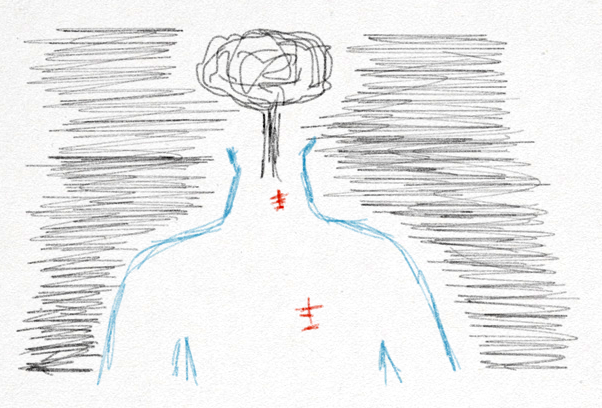
    Holding on to that fantasy is partly what made me reluctant to agree to VNS surgery for my son. Vagus nerve stimulation (VNS) is a technique used to treat epilepsy that involves implanting a pacemaker-like device that generates pulses of electricity to stimulate the vagus nerve. In theory, this stimulation can be tuned to disrupt my son’s brain’s bad habit of firing all its neurons at the same time in uncontrolled bursts, which is what causes a seizure.

    There is a sliding scale of expectations with the VNS. Best case, it helps manage his seizures and we can revisit his medications and the ketogenic diet. Next best case, it helps regulate the break-through seizures he is still having. Worst case is the same worst case as every new treatment we try…nothing happens. Except, of course, for a list of new risks and side effects, both from the surgery and from the stimulation. Tingling, numbing, an altered voice, headaches, difficulty swallowing or breathing, just to name a few.

    epilepsy dad vns sketch

    But it wasn’t just the risks that made the decision difficult. The surgery feels more permanent. They’re going to cut in to my son and insert a box with tiny wires wrapping around a nerve that leads to his brain. Once they cut him, he cannot be uncut. Even if we remove the box and wires because the seizures do go away some day or because it doesn’t work, he will have a scar to remind him of the hardships that he had to endure at such a young age. There will be no room for denial or pretending that none of this happened.

    Because it is happening.

    Whether we have the surgery or not, whether it works or not, this is our reality. As I struggled with my decision, another epilepsy dad told me that we should do whatever we can to help our children. Whether it works or not, if there is a chance that it can make their lives better, it’s worth it.

    epilepsy dad VNS decision

    In the end, that has to be enough. To keep hoping for a better life and to keep trying things, even following failure after failure. Accepting the idea and agreeing to the surgery is another in a long list of impossible choices.

    We scheduled the surgery, but I wake up every day wanting to call it off. To keep my son whole. Time and his condition, however, are quickly taking aware that option.

  • Keeping The Lid On

    Keeping The Lid On

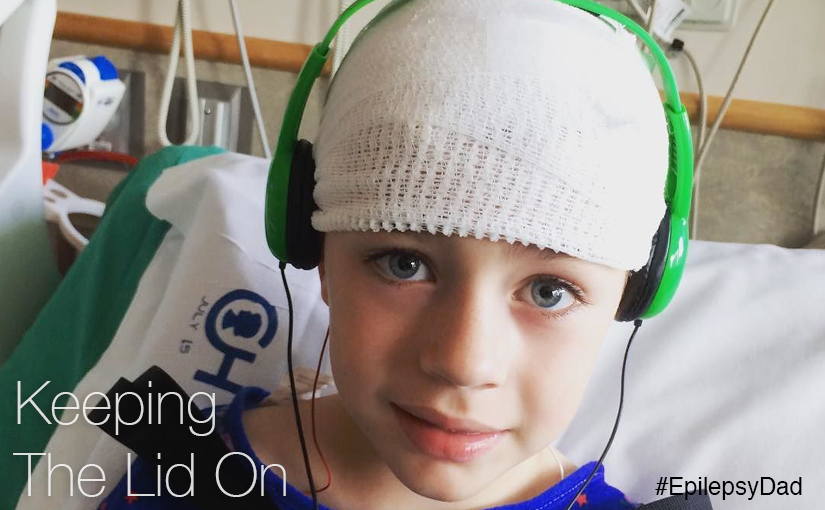
    We had a few good weeks. After a year on the ketogenic diet and what seemed like the constant juggling of medicine, we were only seeing an occasional seizure in the early morning. The behavioral issues leveled out, even if the problems with attention and ataxia did not. But we felt stable enough that the conversation with our neurologist turned to talks of lowering one of my son’s medicines.

    There was one medicine, in particular, that we started last year while we were living on the neurology floor of the hospital. It was one of the rounds on the bombardment of medicines that my son was given to battle the endless onslaught of seizures attacking his brain. After the smoke cleared, we left the hospital with a long list of prescriptions that included a few pills of questionable effect. Now that we were relatively stable, we decided to lower the dose of the first medicine to see if it was working and hopefully lessen any its side effects that were burdening my son.

    The first reduction (with every medicine, there is a gradual weaning, not an abrupt stoppage) was uneventful. We did not see an increase in seizures, but we also did not see a reduction of side effects. After the second reduction, though, we started to see a change. Instead of confining themselves to the early morning hours, we started to see seizure activity during the day, as well. The myoclonic jerks that, in hindsight, acted as our canary in the epileptic mine slowly came back. At first, there were only a few…so few that we probably missed them initially. But then there were more, and they were hard to ignore. Then the tonic-clonic seizures also crept in to the daytime. Then the most telltale signs of a problem returned…the exhaustion, the uncontrollable sadness, slurring and having a hard time finding words, and the anger.

    Our neurologist scheduled an EEG that confirmed that the subclinical seizures were also back and his EEG background was a mess. The report showed that the medicine that we suspected wasn’t helping had been working, so we again adjusted course and started raising the dosage.

    Unfortunately, it was too late. By the time we realized that the medicine was working, the seizures were already cascading through my son’s brain, and it would take days before the increased dose would have an effect. We had taken the lid off the pot and it was boiling over.

    As the seizures continued and the effects of each seizure lingered longer, we used our rescue medicine to buy us some time until the increase in dosage kicked in. We made it through the night, but the next morning the seizures and my son’s exhaustion and processing difficulties continued. “My brain is still going backwards,” my son said, which was his way of communicating that something was still wrong. We contacted our neurologist and by that night, we found ourselves admitted to the neurology floor.

    The technicians hooked him up to an overnight EEG and within an hour our neurologist came in to tell us that his readout was still a mess. The plan was to monitor him to determine if we needed to introduce a temporary medicine to hold us over until we were back up to our working dose of his regular medicines, but the bridge medicine was one that, while it worked for seizures, brought with it rage.

    We spent the night watching the EEG screen, pushing an alarm for each seizure we saw and calling out in to the night which type of his many seizures we were reporting. That night was a combination of a lack of sleep, concern for our son, and dreading the threat of the temporary medicine. By early morning, my son had gone a few hours without a seizure and I fell asleep next to him on his bed.

    We woke up the next morning and my son started to feel better. The doctors came in and said, while his EEG still wasn’t great, it was trending in the right direction and that we could go home. While it seemed terrifying to leave while things were still “not great”, we learned last year that a positive trend is enough to go home with.

    As we left the hospital, I knew, like I do every time, that this wouldn’t be our last time there. While this episode seemed like it was caused by a dosage change, there is always the concern that an illness will cause more seizures, or that a medicine stopped working, or that it’s a progression of my son’s condition.

    We seem to be just trying to keep the lid on his seizures and the side effects of the medicine we use to try to control them, when all we really want is for someone to turn down the heat.


  • A Message Of Hope

    A Message Of Hope

    I was nervous walking up to the doors of the classroom. I put my hand on one of the door handles, leaning in close, hoping to hear the conversations in the room. I turned slightly and could see in to the room through the gap between the two doors.

    The tables were arranged in a “U”. The door that I was hiding behind was in the back of the room, so I saw the face of the presenter and the backs of the heads of some of the attendees. Shifting left and right, I could see the sides of the faces of those seated on the sides. I took a deep breath, turned the handle, and quietly walked in to the room.

    As I came through the doors, the presenter at the podium and other staff smiled and greeted me quietly and warmly. A few of the attendees…parents…turned briefly to look at me and then back to the presenter.

    As I moved to a seat in the back of the room, the presenter said  “…and you will hear from one of our parents shortly” and gestured towards me. I sat, flashed a smile and casually nodded as I made eye contact with the other parents that were now looking in my direction.

    I pulled open my laptop, pretending to make last minute changes to my slides (that were actually not mine, they were my wife’s). I wasn’t ready for eye contact. I took a few deep breaths and tried to calm my nervous energy.

    I had been in this room before. Just over a year before, I sat where the other parents were sitting, learning about the ketogenic diet. Like these parents, I was there because I had a child with epilepsy that was not responding well to medicine. Like them, I was scared…about epilepsy, about the future, about how scary and terrible and daunting the diet seemed to be. Like them, I was there trying to find hope.

    The keto team at the hospital puts on these information sessions once a month, giving the dirty details of the ketogenic diet as a treatment for epilepsy. The day is filled with the history and the application of the diet. There are demonstrations of how a meal is measured. The social worker talks about support during the journey. And at the end, the grand finale, a parent of a keto kid takes the stage.

    On that day, that parent was me.

    My mind kept going back to when I was in the class. We had only been out of the hospital for a month or two, and my son was still seizing, still not responding to medicine, and still having side effects from the medicine that he was on. I was still reeling from the trauma of his ongoing condition. My wife had to stay home with my son, so I went to the class alone…cared, overwhelmed, and alone.

    I remember being more buried by the information that was being presented. The diet works for some people, not for others. The diet is hard work. Thoughts of what was happening to my son mixed with the sad possibility that the diet wouldn’t work, or that it would but he wouldn’t be able to scarf down a bag of potato chips or eat a candy bar. By the time the parent speaker, Amy, stepped up, I was raw.

    Amy talked about her son who was on the diet for two years. She talked about how the diet worked for them, and that it was hard at first, but became easier. She shared some of her tips, and she brought her son in with her and he sad quietly eating his snack…a snack that looked like a normal snack, except for the shot of oil at the end. After the class, I talked to her, and we talked about what was happening with us, and I asked if my wife could contact her. She said yes. Because, as I’ve learned, we’re all in this together, and we need to support each other, because no one understands what we’re going through like other people going through the same thing.

    I thought about Amy, and about how I felt sitting on the other side of the table, as I nervously walked up to the podium. I made a checklist in my head of the things I wanted to talk about. I wanted to talk about how scared and overwhelmed I was, and how hard the diet was at first. I wanted to talk about my son, and how much better he was doing since we started the diet. But mostly, I talked about hope, the thing that I went to the class desperate to find a year before, and the thing that I most wanted them to leave with.

    I scanned the room. One mom who was too overwhelmed and had left the room was making her way back to her seat. The other parents looked exhausted after a long day. And now, they were looking at me.

    “Hi, I’m David, ” I began, “and just over a year ago, I was sitting right where you are.”


  • In Good Times And In Bad Times

    In Good Times And In Bad Times

    I needed to clear up some space on my computer today, so I pulled up a list of the biggest files on my computer. Near the top of the list were a group of movie files with generic names. I clicked on the first one, and it was a video of my son that we made to document his behavior when it was at its worst.

    behavior side effects medicine seizure epilepsy father fatherhood

    I wasn’t prepared to see the video, and it really unsettled me. Even now, hours later, I’m thinking about the video and how desperate and scared we were. There were no answers for why he was acting the way he way. It could have been side effects of the medicine, or damage from the seizures, or a combination of both, or something else entirely. No one could tell us why it was happening, and no one could tell us if it would get any better.

    behavior side effects medicine seizure epilepsy father fatherhood

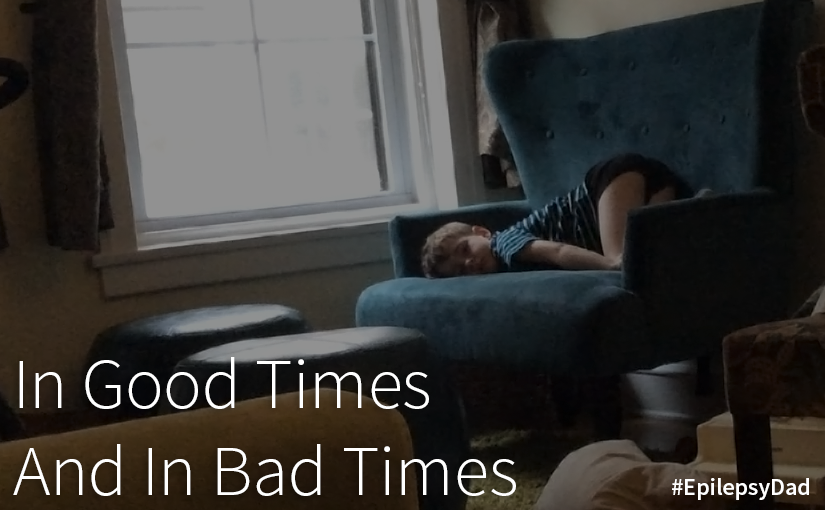
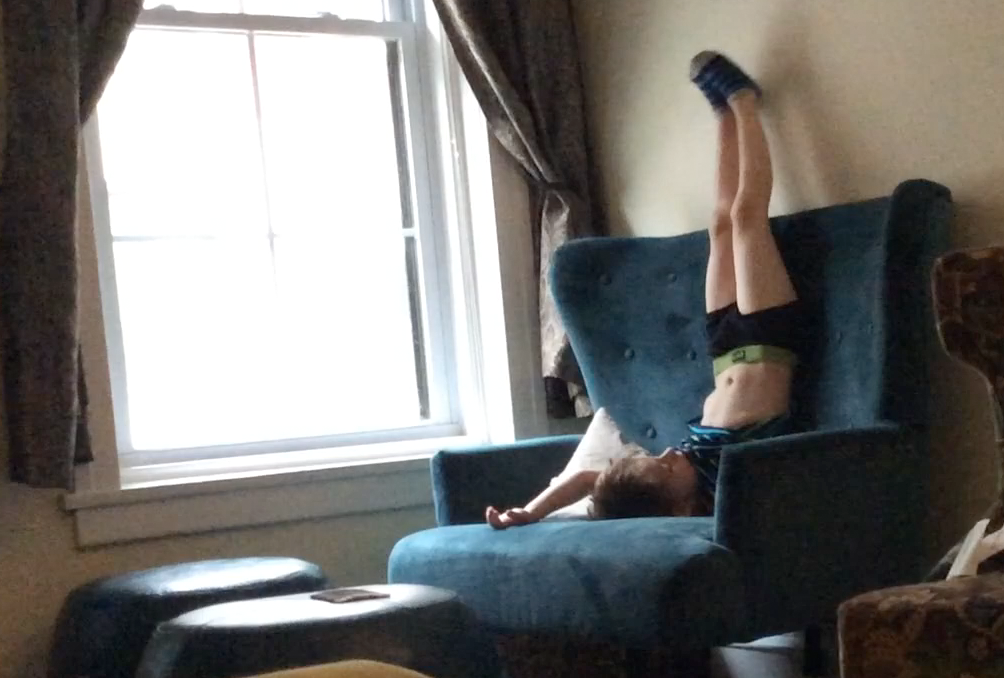
    In the video, he was having one of his typical outbursts. I say typical, but they were typical for where he was, but not typical for the almost five years of life he had before his seizures started. His brain would “go backwards”, as he eloquently put it during one of his lucid moments, and he would start hitting, scratching spitting, and screaming. The picture above was another symptom where his body would take control and he would somersault or flop around on the couch or the floor. The image at the top of this post was of him throwing a toy at me while I filmed the outburst.

    On a good day, we would only have a few, short episodes. On a bad day, we’d spend hours holding him down at bedtime. It was agonizing as a parent to see that happen to my child, especially when the outbursts ended with him expressing such remorse for what his body did and, I suspect, terrified that he wasn’t able to control it.

    Watching that video, the thoughts that I had lost my son and that his life was going to be nothing more than managing one uncontrollable outburst after another for the rest of his life came rushing back. The feeling of desperation, the praying that there would be some relief, some help for him, some help for us, came back, as well. After a few seconds, I was so overwhelmed that I clicked stop, a luxury I have now that I wish I had back when this was actually happening.

    When I got home, I told my wife that I had pulled up the video and that it upset me, and she comforted me like she always does. She asked if I had deleted the videos. I told her I didn’t, but I didn’t tell her why because I didn’t know myself. Am I keeping them to remind me of how hard it was so that I can appreciate where we are now? Are they clinical files incase someone, years from now, can explain to me what they were and why they happened? Do they matter, or should I just wipe them from my hard drive and let Time do the same thing for my memories?

    Tonight, I don’t know what I should do with those videos, but I did know what I should do with my son, which is the same thing I’ve done since he was born, in good times and in bad. I laid next to him listening to him suck his fingers as he started to drift off to sleep. I kissed him on the forehead and told him that I loved him more than anything, and that I was lucky to be his father.