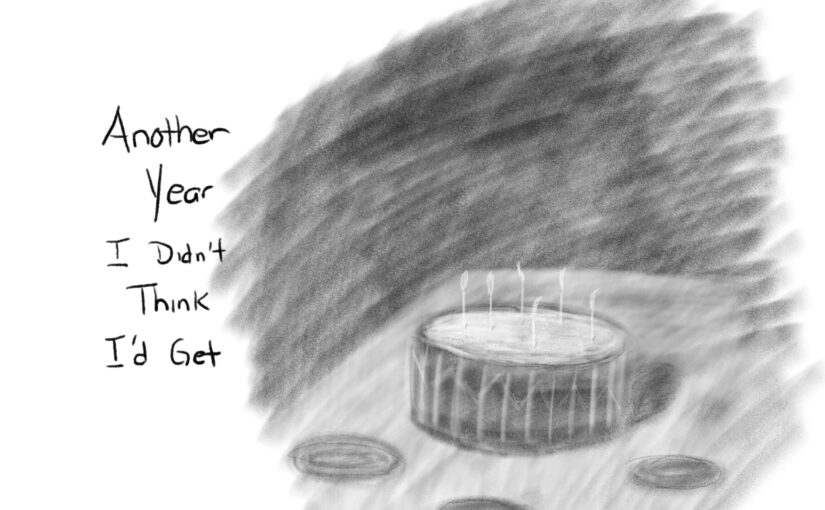
Every year, my son has a birthday that I didn’t think I’d get.
Since the age of five, he’s never gone more than a day or two without a seizure. There were times when he wouldn’t go an hour without one. And there were times when he was in status, and he wouldn’t stop seizing at all.
The first few years were especially scary. We would spend weeks admitted to the neurology floor of the children’s hospital, watching as the medical teams fought to keep my son alive. I would wake up next to him in the middle of the night to find doctors conferring, trying to find the next medication or treatment to try. His therapists would come during the day to help his body relearn what it had forgotten how to do. Each birthday we celebrated during that time was a gift, even if the time between them was unbearably hard.
Even after he was stable, his future was uncertain. The medications that reduced his seizures didn’t control them completely. That’s when his doctor introduced us to SUDEP (Sudden Unexplained Death in Epilepsy), and the leading risk factor is the presence of uncontrolled, generalized tonic-clonic (GTC) seizures, especially if they occur at night.
If I didn’t sleep before, I certainly wasn’t sleeping after that conversation. We installed a camera in his room to monitor him while he slept. I woke with every sound, every movement—or when there was too much time with neither.
Even this morning, as I was writing this post, I heard my son have a seizure in his room. It was longer than usual, so I used the VNS magnet and then his rescue medication before the seizure stopped.
As he turns sixteen, that’s more than eleven years without sleep. Eleven years of worry. Eleven years of hoping for another year.
And for eleven years, I have been given another year. Each one feels like a small miracle.
The fear never really goes away, but neither does the gratitude. I still hold my breath with every seizure, but I also get to watch my son grow taller, tell jokes, and dream about what comes next.
Sixteen years. Eleven years of worry. But also eleven years of laughter, stubbornness, love, and life.
Every year is another year I didn’t think I’d get.
My first exposure to it was when I was around seven years old. We lived in a row of apartments, and an elderly lady at the end of our block would occasionally open up a roll of coins, usually pennies or nickles, and toss them into the air and watch the neighborhood kids scramble to grab as many as they could.
Did I save any of these coins?
Of course not. As soon as we were done, we would walk to a corner store and buy candy or, after an unusually heavy haul, a comic book.
That’s how I dealt with money most of my life. If I had it, I would spend it.
That pattern continued when I started working at 15. I had no concept of saving, or budgeting, or investing. I wasn’t worried about the future. I would get paid, deposit my check, and the money would be gone before I got paid again.
Over time, what I spent my money on changed. When I got a car, more of my money would go towards gas. When my insurance was due, it was usually a scramble to scrape together the money. But then I’d have another carefree six months before I had to worry about it again, rather than learning the lesson and planning.
When I was 18, I moved into an apartment and began paying rent. I was so eager to be on my own that I signed a lease for an apartment I could afford, without considering how far it was from where I worked, and the extra driving and gas costs were brutal.
Eventually, I borrowed money from a friend who was much better with his money. Except, of course, for his decision to lend me money. I was in a bad place financially and emotionally and, rather than owning up to it, skipped town when I joined the Army. One of the most embarrasing moments of my life was when my parents called to tell me that my friend, who lived across the street from them, asked where I was and told them that I owed him money. They paid him and told me that I had to pay them back. I felt like such a failure.
The Army provided me with a regular paycheck and discipline, but not financial discipline. I was still only 19 and made countless poor relational and financial decisions, leaving me with nothing when I left active duty four years later. I found myself back in Florida, living with my parents, and starting over.
Through serendipity and a strong computer background, I eventually landed my first professional job, with a steady income, benefits, and a retirement plan. Of course, I didn’t contribute to it because I was in my 20s. But I was able to move into an apartment that was close to my job and new friends and started my new life.
I was part of a group of young professionals, single with disposable income, and money became a way to feel good. Spending money on others — picking up the tab for dinner, drinks, or events — was how I showed people I cared. Or maybe it was what I felt I had to do to keep friends. I’m still trying to unpack that with my therapist.
With a good income, it was easy to get a credit card and even easier to spend more than I had, because I always felt I had enough to make a payment. The first time I felt overwhelmed by debt, it was awful. My finances and my emotions were intertwined, and my financial situation reflected how I felt about myself. I struggled for awhile, but managed to crawl my way out of it.
The first time I paid everything off felt amazing. It was like air had oxygen in it for the first time in years. But the habits I developed to get out of debt didn’t stick. I reverted to my old habits. I got stuck in a cyclical pattern of spending, shame, remorse, recovery, repeat. As my income grew, so did my spending. And when I got married and we had our son, things went exponential.
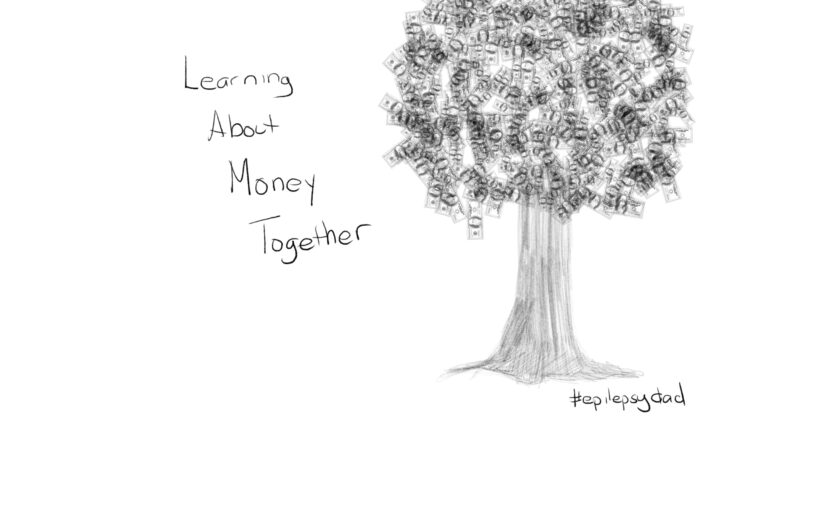
Over the last year, we’ve become more intentional. A big motivation is that we don’t know what our son’s future earning potential will be, and it’s possible that, in addition to always supporting him, whatever financial legacy we leave him will have to carry him through the rest of his life.
The other reason is that if he can have a job and a career, I want him to have a much better financial foundation than I did. I want to model the right behaviors for him, normalize conversations about money, and give him every chance at financial success that I can.
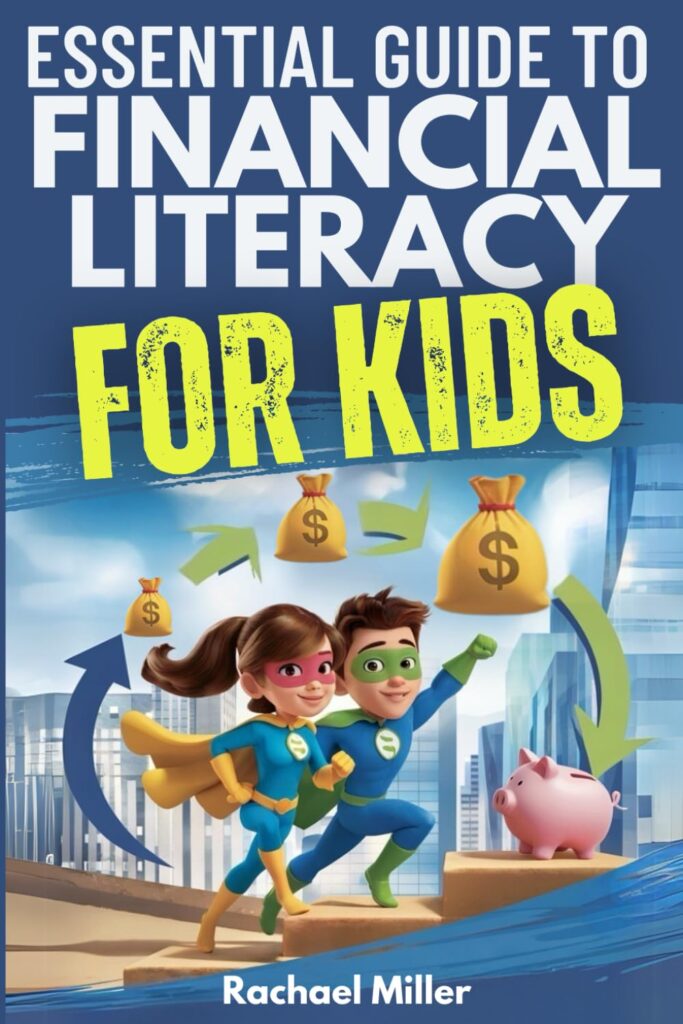
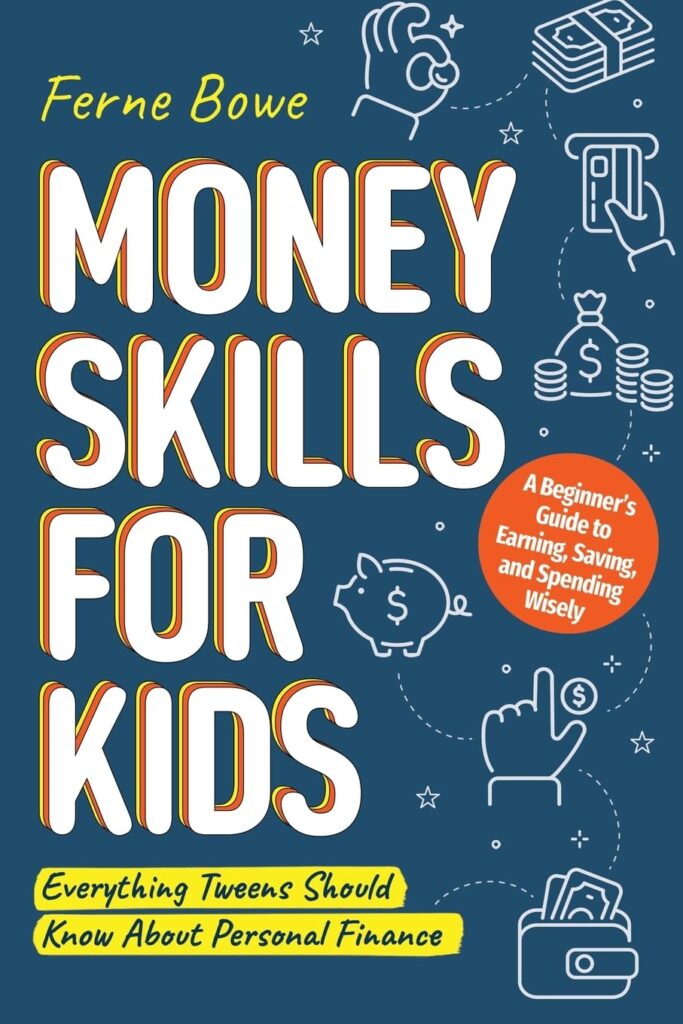
We’ve begun reading books together about financial literacy and wellness. We set up a Greenlight card for him to gain experience with spending responsibly, saving intentionally, and investing wisely. And we’re doing it together because that will give us a common language to talk about money and healthy habits we can practice together.
Talking about money used to fill me with shame. Now, it’s become one of the ways my son and I connect. These are some of the books that helped us start those conversations — and the Greenlight card has made it easier to turn those lessons into real-world experience.
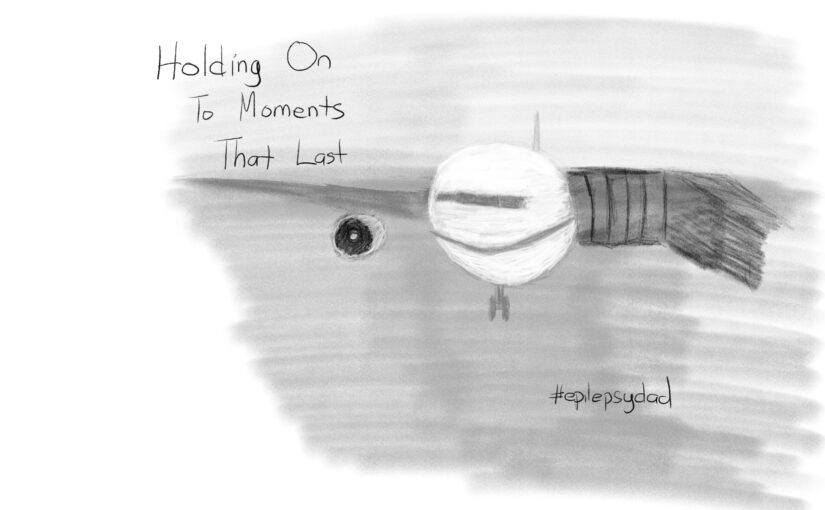
A few weeks ago, I took my son to the airport. It was the first time he was going on a trip without me. And not just without me, he was traveling for the first time as an unaccompanied minor.
He was growing increasingly nervous leading up to his trip, and each day, his anxiety showed more on his face. I woke him up early that morning to give us plenty of time to check in and get my gate pass, which added a slow, sleepy haze to his nervousness.
We passed through security and headed towards the gate. I checked his boarding pass and looked at the signage. We were two terminals away and the gate was the second to last in the terminal, which meant we had a hike in front of us.
I led the way as he trailed behind me, his loaded backpack hanging over his shoulder, adding weight to his burden. I offered to carry it for him, but he declined. His face was blank, his mouth slightly open, drawing in air, as we pushed forward until we entered the terminal for his gate.
“I’m so hungry,” he moaned.
“Ok, pal, we’ll find something closer to the gate.”
We pressed on through a largely empty terminal, the stores and eateries closed. He reminded me every few minutes of how tired and hungry he was, in case I forgot. I said a little prayer that there would be a place for him to get food and that he would have enough time to get it near his gate. Fortunately, there was a food court with a Sbarro within view of the gate.
He slumped into a chair, dropping his bag off his shoulder, as I went to order him food. I glanced over, and he had the same exhausted, blank expression on his face. I brought him a slice of pepperoni pizza and a glass of water, placing them in front of him.
After it cooled, he hunched over and took a few bites.
“I’m too tired to eat.”
“Ok, pal.”
I packed up his food and picked up his backpack.
“Let’s get you to the gate,” I offered.
He stood up slowly and followed me the rest of the way.
His flight was already boarding, so I went to the desk to let them know he was there. We stood off to the side as they finished boarding, which is when there was enough of a pause for me to start missing him, even before he left my sight.
I thought about the previous day. When I dropped him off to school, he asked me if I would play basketball after I picked him up.
“Maybe,” I said. I knew I had a big day at work ahead of me, and I didn’t want to commit and then disappoint him if I was too busy or tired.
And I was. But the first thing he said to me when he stepped into the car was to ask about playing basketball. Every exhausted fiber of me wanted to say ‘no,’ but I knew I’d miss him terribly and wanted to spend every minute with him.
“Only if you want to lose,” I responded. The smile on his face, followed by him cracking his knuckles and neck, was everything, followed closely by our time on the court playing, and laughing, and being together.
Standing at the gate, I reminded him of our games the day before, including the game where he beat me 21 to 0. There was a glimpse of energy, and a smile, and I felt lighter.
The agent finished boarding the other passengers and came to us to escort my son to the plane. I gave my son a hug and a kiss, put on a brave smile as he disappeared down the jetway.
I stood at the window, watching the pilots finish their preflight checks before the jet bridge was retracted. The airplane pushed back and entered the flow of traffic to taxi to the runway. Once it disappeared from my view, I began my long journey back through the airport, to the car, and finally to the house, which felt emptier without my son.
It was terribly quiet.
But as I left later that morning to go to work, I saw the basketball on the floor of the garage and was instantly reconnected with my son through the memory of our games the day before.
He’s growing up so quickly. Each step he takes towards independence means there will be fewer moments like the ones we’ve shared. Each year, he’ll need me a little less, and that’s how it’s supposed to be.
But until then, I’ll seize every chance to create more memories, so that even when we’re apart, it feels like we’re still together.
When I was young, I didn’t have a lot of support learning how to manage big emotions. When things got hard, I would go internal, like a turtle pulling itself into its shell. I’d get anxious and scared, pulling my extremities closer to my body to make myself as small as possible until the danger passed.
That was a survival skill, but while it helped me get through the danger, it didn’t address the fear and anxiety that remained. I never learned to regulate my emotions and nervous system. As a result, I spent much of my life being an anxious, introverted, scared little boy and hiding from the world.
I developed other skills to compensate. I found the courage to join the Army. After the army, I started a career, got promoted, and led teams. I got married and started a family. That’s when those compensatory skills began to fail, and I reverted to the safety of going internal, which had worked for me. Still, it didn’t work for deepening a relationship or dealing with difficult situations together.
The stress of starting a family is real, and it was terrifying to bring another life into the world and be responsible for keeping it alive. I knew I wanted to give my son a better childhood and life than I had, which felt like a huge responsibility especially considering I had no reference or idea what that meant. It was easy to do the fun stuff with him, but the stress and anxiety brought some of those survival skills back to the surface which created distance between me and my family. But we managed.
The bigger test was when we moved to Pennsylvania. We moved across the county into a new city for a new job and, within a few months, my son also began having seizures. Within that first year of moving, we spent nearly six months in the hospital trying to get his seizures under control, dealing with side effects from his medications, behavioral issues, and the fear of losing him, all in a new environment where we had no support.
Again, those survival skills that I learned as a child came back in full force. I forced my emotions down inside my shell and focused my energy on the logistics and on getting things done, rather than dealing with the fear, anxiety, shame, and despair that were trying to make their presence known.
That could be what was necessary. I needed to keep my job, maintain our insurance, put food on the table, and create a sense of normalcy in an unstable and unnatural time. While the crisis was happening, I needed that focus and detachment. But afterward, when the danger had subsided and what was left was the rebuilding of our son, that detachment became a divide, a chasm I couldn’t reach across to connect with my family.
I’ve spent a lot of time since then to cross that divide. Therapy, self-reflection, and the hard work of being present have brought me closer to my son, and I hope they have also set an example for him on how to balance survival with connection. It’s not easy, but it’s worth it because my son deserves more than just survival.
I don’t know where you’re going, but do you have room for one more troubled soul?
That’s a line from the Fall Out Boy song Alone Together. The title itself is an oxymoron. How can someone be both alone and together at the same time?
There are a lot of ways to interpret it. Some people hear it as being about drugs. Others think it’s about two people in the same physical space, but still feeling isolated and apart.
That idea feels familiar. During the pandemic, my family and I were together in the same house, but often living separate lives. We ate in different rooms. We passed each other in the hallway with only transactional conversations. We were together, but we were also alone.
Sometimes, that distance can feel easier. It can be exhausting to be emotionally available all the time, especially when there is no break or separation. But if that becomes the norm, it’s a dangerous road. The road to ruin, as the song puts it, “and we started at the end.”
There’s another way to look at the phrase, though. You can also be physically alone from the rest of the world, but emotionally together with someone else. That’s how I often feel with my son. We are separate from much of the world—by circumstance, by hospital stays, by the realities of epilepsy—but in that separation, we are together. Us against the world. Not really alone at all.
That’s the tension at the heart of the song. It’s also the tension I feel as a parent and caregiver. Lonely, but not alone. Together, but sometimes separate. Finding connection even in isolation.
Let’s be alone together. We can stay young forever. Scream it from the top of your lungs.